
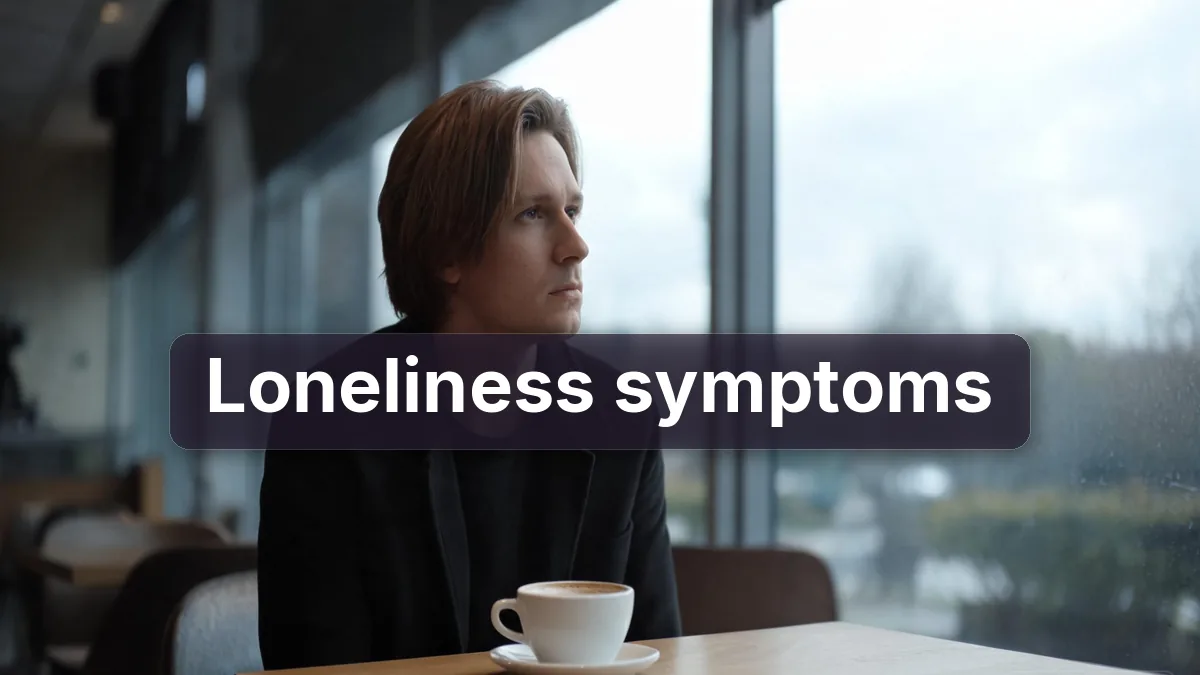
Loneliness has symptoms, this is not a metaphor. The physiological stress response activated by perceived social isolation produces measurable biological changes: elevated cortisol and adrenaline, increased inflammatory cytokines, disrupted sleep architecture, impaired immune function, and heightened cardiovascular risk. These are the same pathways that sustained physical stress activates. The body does not distinguish between a physical threat and a social one; both trigger the alarm system, and both produce wear on the body if they become chronic.
Loneliness symptoms can appear as a strong feeling of emptiness or being cut off from others, even in a crowd. Key signs include constant sadness, getting irritated easily, avoiding friends, and changes in how you sleep or eat. These signs build up slowly and can harm your mood, health, and routine.
Noticing loneliness symptoms early lets you fix them. Without help, they might cause depression or other issues. We’ll explain it all simply below.
Key Takeaways
- Spot loneliness early, sadness, withdrawal, or sleep/eating changes, to prevent depression or health issues.
- Loneliness harms mental health, physical well-being, and daily life; act fast to stay healthy.
- Symptoms differ by age: kids act out, adults feel burned out, seniors face loss, know the signs.
- Fight loneliness with friends, groups, therapy, or apps, plus walks or journaling for relief.
The Most Usual Symptoms of Loneliness
The psychological symptoms of loneliness, sadness, social anxiety, hypervigilance to social threat, negative interpretation of ambiguous social signals, are not independent of the physiological ones. They form a feedback loop: the neurobiological stress response produced by loneliness generates cognitive patterns (pessimism about connection, threat-reading) that maintain the social withdrawal that perpetuates the loneliness. This self-reinforcing structure is why chronic loneliness responds poorly to willpower-based interventions and requires more systematic interruption.
Loneliness appears in your emotions, behaviors, and thoughts. These signs differ but often show up together.
Look for patterns, if several appear, it’s time to take notice.
Feelings and Emotions
Loneliness often shows up first in your emotions, creating a deep sense of unease.
- Constant sadness or emptiness, like a hollow ache without a clear cause.
- Worry or irritability, where stress makes small things frustrating.
- Feeling unloved or unwanted, sparking fears of rejection even without evidence.
- Anxiety or low self-esteem that makes you doubt your value.
- A sense of heaviness or emotional numbness.
Changes in Behavior
Loneliness can change how you act day-to-day, often leading to withdrawal or shifts in habits.
- Pulling away from others, like avoiding social invitations or choosing isolation.
- Losing motivation, making hobbies or goals you once enjoyed feel unappealing.
- Changes in sleep or eating, such as insomnia, oversleeping, overeating, or losing appetite.
- Increased substance use, like alcohol or drugs, is a coping mechanism.
- Compulsive behaviors, such as excessive shopping, gaming, or screen time.
Thinking Patterns
Loneliness affects how you think, often leading to negative patterns that reinforce isolation.
- Negative self-talk, like being overly critical of yourself or doubting your worth.
- Trouble focusing, making it hard to concentrate on tasks or conversations.
- Feeling hopeless, seeing the future as grim with little positivity.
- Rumination, constantly replaying negative experiences or worries.
- Confused thinking or excessive fear in social situations.
Body Signs Connected to Loneliness
The connection between loneliness and physical health is mediated primarily through inflammation. Research on psychoneuroimmunology, the study of how psychological states affect immune function, shows that chronically lonely individuals have significantly elevated levels of pro-inflammatory cytokines (particularly IL-6 and TNF-alpha) even after controlling for other stressors, sleep quality, and health behaviors. These inflammatory markers are associated with cardiovascular disease, metabolic syndrome, and accelerated cellular aging.
Loneliness isn’t just mental, it manifests physically. Your body reacts as if under threat.
These symptoms highlight the mind-body link.

- Feeling tired with low energy
Chronic fatigue sets in from poor sleep and stress. You feel drained despite rest. Daily activities become exhausting.
- Weaker body defenses against illness
Immunity drops, leading to frequent colds or slower healing. Stress hormones suppress your defenses.
- More swelling or ongoing pain
Inflammation rises, worsening conditions like arthritis or headaches. It mimics chronic stress responses.
- Heart issues like higher blood pressure
Blood pressure and heart rate increase, raising cardiovascular risks. Long-term, it contributes to strokes or heart attacks.
Why It’s Important to Notice Loneliness Symptoms
Ignoring loneliness symptoms can lead to bigger issues. Spotting them early helps you reconnect and stay healthy.
Loneliness affects your mood, body, and relationships. Taking action now prevents lasting harm.

Effects on Mental Health
Loneliness increases anxiety, stress, and low self-esteem. It can lead to depression, fueling negative thoughts.
Over time, it weakens your ability to handle daily challenges.
Risks to Physical Health
Loneliness raises stress hormones, weakening your immune system and causing inflammation. It increases the risks of heart disease and early death.
Studies compare its harm to smoking 15 cigarettes daily.
How It Affects Daily Life and Relationships
Loneliness drains your energy, making work and hobbies less enjoyable. It can lead to pulling away from others, which strains relationships.
This cycle makes it harder to build new connections, affecting your job, hobbies, and family life.
How Loneliness Signs Vary by Age and Group
Loneliness symptoms change based on age and life stage. What looks like loneliness in a child might appear differently in an adult or senior.
Knowing these variations helps you spot signs sooner and offer the right support.
In Kids and Teens
Loneliness in kids might show as pulling away from others, acting out with tantrums, or being overly clingy with parents or friends. Teens often mask it with grumpiness or spending too much time on phones or games.
Things like bullying, changing schools, or family issues can make it worse, leaving them feeling isolated or misunderstood. Peer pressure or trouble fitting in at school can also deepen these feelings.
In Adults and People at Work
Loneliness in adults often comes from work stress or family responsibilities, leaving them exhausted and detached. Remote jobs can make it worse by limiting social interactions.
It might show up as burnout, feeling unmotivated, or pulling away from coworkers and loved ones. Long hours or a lack of workplace connection can deepen this sense of isolation.
In Older People and Seniors
Loneliness in seniors often stems from losing a spouse, friends, or the ability to move around easily, leading to a deep sense of emptiness. As social circles shrink due to retirement or health issues, feelings of isolation grow, raising the risk of depression.
Without regular connections, their mental and physical health can decline faster, making it harder to stay active or engaged. Simple things like fewer visits or less social activity can make this worse.
Lasting Effects if Loneliness Symptoms Aren’t Addressed
Chronic loneliness can alter your brain and body, causing lasting harm if ignored. Taking action early prevents these serious issues.
Mental Health Problems
Chronic loneliness increases the risk of mental health issues like anxiety disorders, personality challenges, and severe depression. It can also significantly raise the likelihood of suicidal thoughts, making it critical to address these symptoms early.
Brain Changes and Memory Loss
Chronic loneliness speeds up cognitive decline, increasing the risk of conditions like dementia or Alzheimer’s. It can lead to long-term struggles with memory and focus, making it harder to think clearly or retain information over time.
Turning to Drugs or Risky Actions
Chronic loneliness can lead some people to cope by turning to alcohol, drugs, or impulsive behaviors. These actions often worsen existing health problems and create new risks, making it even harder to break free from loneliness and its effects.
Understanding Loneliness Symptoms in Depth
What are the physical symptoms of loneliness?
The most consistently documented physical symptoms: sleep disruption (specifically reduced slow-wave sleep and increased nighttime wakefulness), elevated blood pressure, impaired immune response (lower antibody production, slower wound healing, higher susceptibility to viral infection), elevated inflammatory markers, and accelerated cardiovascular risk. These are not vague "stress" effects, they are specific, measurable biological changes produced by the activation of the social pain system in a sustained state.
Can loneliness make you physically sick?
Yes, this is now well-established in the epidemiological literature. Lonely people get sick more often, recover more slowly, and show higher rates of chronic disease than socially well-connected people of equivalent age and health baseline. The immune suppression produced by chronic loneliness is measurable: studies using viral challenge paradigms (deliberately exposing participants to common cold viruses) found that socially isolated people were significantly more likely to develop illness than their socially connected counterparts, controlling for all other health variables.
What does chronic loneliness feel like emotionally?
Chronic loneliness develops a characteristic emotional texture distinct from acute or situational loneliness. It typically involves:
- a persistent background sense of not quite belonging anywhere
- habitual guardedness in social situations that prevents the vulnerability needed for genuine connection
- a growing belief that deep connection is either impossible specifically for you or not worth the risk
- and an increasing preference for not trying over the discomfort of trying and failing. It is self-reinforcing, the loneliness produces the behaviors that perpetuate it
How do I know if my loneliness is becoming a health problem?
The indicators that loneliness has reached a clinically significant level:
- it has persisted for more than a few months without significant periods of relief
- it is affecting your daily function (sleep, work performance, motivation)
- it is affecting your self-perception (you believe you are fundamentally unlovable or that connection is impossible for you)
- or it is producing the physical symptoms described above. Any of these warrants professional attention, loneliness at this level rarely resolves through social effort alone and typically benefits from cognitive or therapeutic intervention
If loneliness symptoms start disrupting your daily life, like affecting your work, relationships, or mood, it’s time to seek help. Don’t wait until it feels like a crisis to take action. Early steps can make a big difference.

Red Flags You Can’t Ignore for Loneliness Symptoms
These are critical signs that loneliness has become serious and needs quick help.
- Persistent feelings of hopelessness.
- Suicidal thoughts.
- Extreme withdrawal from others.
Speaking with a Counselor or Doctor
Talking to a therapist can provide coping strategies to manage loneliness, while a doctor can help rule out medical causes for your symptoms. They offer tailored advice to help you feel better. Reaching out to a professional is a key step toward finding relief and rebuilding connections.
Tools to Check and Diagnose It
Tools like the UCLA Loneliness Scale or online assessments can help you track loneliness symptoms and understand their severity. These questionnaires provide insights that guide professional diagnosis. Using them can clarify whether you need further support from a therapist or doctor.
Ways to Handle and Beat Loneliness Signs
You can fight loneliness symptoms by taking active steps, even small ones, to feel more connected. Simple actions like reaching out to a friend or joining a group can lead to meaningful change over time.
Staying consistent with these efforts is crucial for rebuilding relationships and reducing feelings of isolation.
Building Friendships and Joining Groups
Taking small steps to connect with others can help ease loneliness symptoms.
- Reach out to old friends to reconnect and strengthen bonds.
- Join clubs or hobbies to meet people who share your interests.
- Volunteer in your community to connect with like-minded individuals.
- Attend local events to build natural, meaningful relationships.
Getting Therapy or Expert Support
Therapy, such as Cognitive Behavioral Therapy (CBT), helps tackle negative thought patterns that fuel loneliness, while support groups offer a chance to share experiences with others who understand.
These provide a safe, supportive space to heal and build strategies for feeling more connected.
Simple Changes in Daily Life (Food, Movement, Habits)
Small changes in your daily routine can help ease loneliness symptoms.
- Go for regular walks to boost your mood through exercise.
- Eat balanced meals to keep your energy stable.
- Practice habits like journaling to reduce feelings of isolation.
Using Apps and Online Tools for Company
Apps like Bumble BFF help you connect virtually with new friends, while online communities provide chat forums for ongoing conversations. These tools bridge the gap when in-person interactions aren’t possible, offering support and companionship from anywhere.
For those seeking a more personalized digital company, explore What is an AI girlfriend to see how AI companions can add emotional depth to your online experience.
Understanding the Types of Loneliness
Loneliness isn’t just being alone, it’s craving deeper connections that feel out of reach. Let’s look at the main types that explain why it feels different for everyone.
We discussed Loneliness Meaning more in depth in our detailed guide, if you want to explore further.
Emotional Loneliness vs. Social Loneliness
Emotional loneliness is the ache for a close, trusted bond, like missing a partner or best friend to open up to. It can sting even in a crowd, especially after a breakup or loss. Some people ease this with tools like an AI girlfriend for emotional support.
Social loneliness is about lacking a sense of community, no group to share laughs or daily chats with. You might feel this after moving or changing jobs, even if you have a partner.
Both types isolate in different ways: emotional hits your heart; social makes you feel like you don’t belong. Recognizing which one you’re feeling helps you reconnect better.
Short-Term Loneliness vs. Long-Term Loneliness
Short-term loneliness is brief, often caused by events like moving or a breakup. It usually fades as you adjust. This type is common and manageable with time.
Long-term loneliness (chronic) lasts months or years, and feels constant. It can harm health, raising risks for issues like heart disease. It often requires active steps to address.
Knowing how long it lasts shows if it’s temporary or needs bigger steps, like getting help. To learn more about the broader impact of loneliness, read more about the Loneliness Epidemic.
Everyday Reasons for Feeling Lonely
Life changes like losing a job, moving, or losing a loved one can spark loneliness. Social media can make it worse by showing others’ “perfect” lives.
Other factors: remote work, health issues limiting outings, or simply drifting apart from friends. These everyday shifts build up over time.
Wrapping Up: Overcoming Loneliness Symptoms
Loneliness symptoms don’t have to take over your life. By spotting signs like sadness, withdrawal, or changes in sleep early, you can take simple steps to reconnect and feel better. For more on its connection to depression, explore our article Loneliness and Depression.
Small changes, like joining a group or chatting with an AI companion, can make a big difference. Start today, and build the connections that bring joy back into your days. For those looking for a safe space to connect and feel less alone, an AI girlfriend can offer compassionate conversation anytime.