
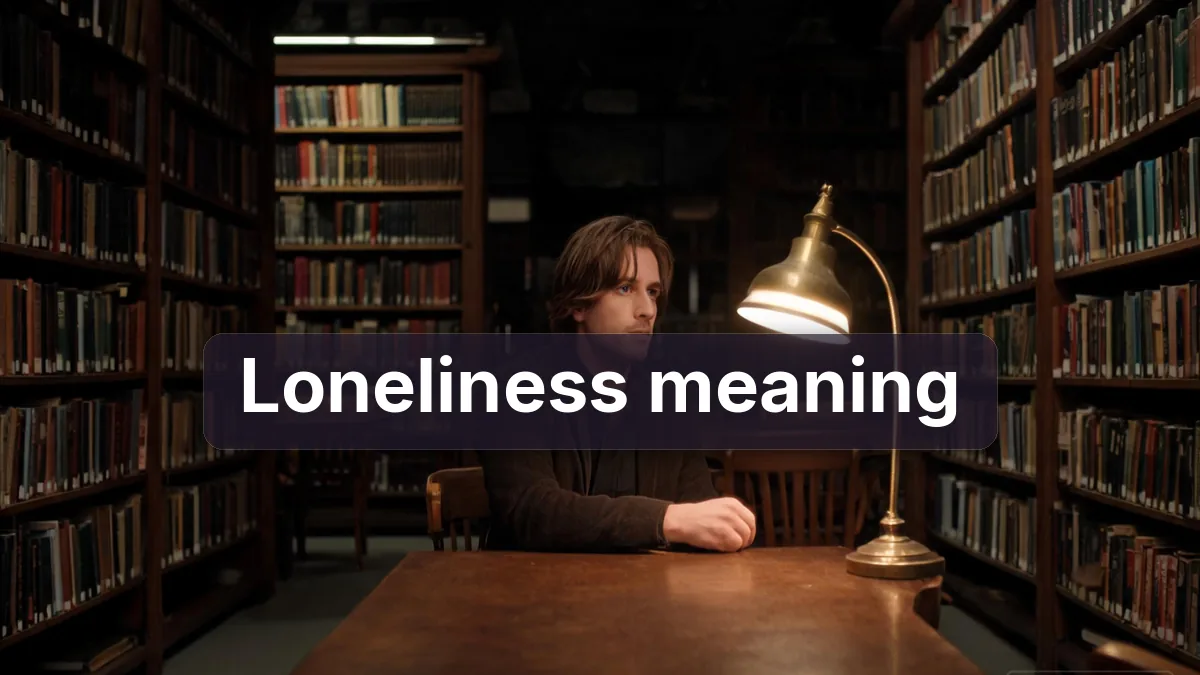
Understanding what loneliness actually means, its definition, its mechanisms, and its place in human experience, is more useful than most people realize. Loneliness is almost universally treated as something to eliminate as quickly as possible. But it is a signal with specific information content, and like all signals, it becomes more useful when understood clearly rather than suppressed urgently. Knowing what loneliness is telling you about your social needs, and which specific needs are unmet, points directly toward what needs to change.
Loneliness is the sad or empty feeling you get when you feel alone or disconnected from others, even if people are around. It happens when your need for connection isn’t being met.
Being alone isn’t the same as being lonely. Loneliness comes from the gap between the relationships you want and what you actually have. It’s something many people feel, and it can affect both your mind and body. But by understanding what it is, you can start to deal with it in a healthy way.
Key Takeaways
- Loneliness is feeling disconnected, not just being alone.
- There are different types of loneliness, like emotional or social loneliness.
- Loneliness can affect your mental and physical health.
- Building connections and seeking support can help reduce loneliness.
Meaning of Loneliness
John Cacioppo's definition remains the field standard: loneliness is perceived social isolation, the subjective sense that one is more alone than one wants to be. The "perceived" is essential. Loneliness is not a measure of your social circumstances but of how your brain is interpreting those circumstances in relation to your expectations and needs.
Two people with identical social contact can experience very different levels of loneliness depending on their attachment style, expectations, and cognitive interpretation of social signals. This subjective nature is what makes loneliness so difficult to address from the outside and so important to understand from the inside.
Loneliness is the uncomfortable feeling you get when you don’t have the kind of connection you need. It’s not about how many people you know, but how close you feel to them.
For example, you could be at a party or have lots of followers online, and still feel alone.
Alone But Not Lonely: Understanding the Difference
Spending time by yourself, like reading a book or walking alone, can feel peaceful and positive. That’s solitude, and it’s often by choice.
Loneliness, on the other hand, feels heavy and unwanted. It’s the emotional pain of missing real, meaningful connection, even if you’re surrounded by others.
The bottom line: Solitude is healthy and intentional. Loneliness feels empty and out of your control. Sometimes, people turn to AI companions for emotional support, see What is an AI Girlfriend for how this form of connection is evolving.
Types of Loneliness
Loneliness can show up in different ways, depending on your life situation, relationships, and emotional needs. Here are some common types that people may experience:

Emotional Loneliness
This is the feeling of being disconnected from close relationships. This type of loneliness strikes when you lack intimate bonds, such as with a partner or close friend, something some people explore through AI girlfriends as a form of emotional companionship.
You might feel unsupported or misunderstood in personal matters. It often stems from breakups or loss.
Social Loneliness
Social loneliness happens when you don’t have a larger group of friends or a community to be part of. You might feel like you don’t belong or miss the casual conversations and fun times with others.
This kind of loneliness is common when you move to a new city or start somewhere new, where you haven’t had a chance to make new friends yet. It can make everyday life feel a bit lonely because you’re missing that sense of connection with a wider group.
Existential Loneliness
This is a deep kind of loneliness where you feel completely alone in the world. You might start wondering why you’re here, what your life means, or where you belong. It often comes up when people think about big life questions or their beliefs.
Situational Loneliness
Situational loneliness is a temporary feeling of being alone that happens because of certain events. It can come from things like losing a job, moving to a new place, or going through a quarantine. Usually, it doesn’t last long and gets better as the situation changes.
Chronic Loneliness
This type of loneliness lasts a long time, sometimes for years. It becomes a regular part of life and can slowly harm your mental and emotional health. It often happens because of things like being very shy or past emotional pain, and usually needs help to get better.
Causes of Loneliness
Loneliness doesn’t just appear out of nowhere. It often stems from a mix of personal, social, and situational factors. Understanding what causes it can be the first step toward finding ways to feel more connected.
1) Personal Factors
Some people feel lonely because they’re shy or don’t feel good about themselves, which makes it harder to connect with others. Going through tough experiences like bullying can make it hard to trust people. Getting older or having a disability can also make it harder to spend time with others.
2) Society
Living in cities often means people focus more on themselves and less on community, which can lead to feeling alone. In some cultures, being independent is very important, but this can make people feel more isolated.
Also, many people are afraid to show they’re struggling, so they don’t ask for help.
3) Big Life Changes
Big life changes like retiring, getting divorced, or starting college can make people feel lonely. These changes shake up daily life and friendships.
Losing someone you love can make the feeling of being alone even stronger.
4) Technology
Technology can be helpful, but it can also make people feel more alone. Social media often leads to shallow connections, and too much screen time takes away from real conversations.
AI loneliness happens when people start relying on digital companions instead of real relationships. It can offer comfort, but it is important to find balance.
5) Mental Health
Depression and anxiety can make people pull away from others, which leads to even more loneliness.
Some conditions, like autism, can make it hard to understand social signals. Feeling lonely can also make mental health problems worse or even cause them.
Symptoms and Signals: How Loneliness Affects Us
Loneliness can affect many parts of your life. You might notice changes in how you feel, your body, and how you act.

Emotional and Psychological Symptoms
People with loneliness often face persistent sadness or emptiness that affects their daily mood.
They may develop anxiety about social situations, making it hard to reach out.
Low motivation and irritability can also appear, building over time to impact overall mental state.
Physical Symptoms
Loneliness can cause fatigue or sleep disturbances that leave you drained. It weakens the immune system, leading to more illnesses.
Headaches or digestive issues may emerge, as the body reacts as if under chronic stress.
Behavioral Indicators of Possible Loneliness
Individuals might withdraw from social events, avoiding interactions altogether.
They could overeat or turn to substances to cope. Excessive online activity without real engagement may signal deeper isolation.
The Impact of Loneliness on Health and Well-Being
The health impact of loneliness is now one of the most thoroughly documented findings in social epidemiology. Holt-Lunstad's synthesis of 148 studies covering 308,000 participants found that adequate social relationships were associated with a 50 percent increased likelihood of survival compared to poor social relationships, an effect size larger than physical inactivity, obesity, and comparable to the effects of well-established cardiovascular risk factors. Understanding this transforms loneliness from a personal and emotional problem into a public health priority.
The effects of loneliness often go beyond just feeling sad. It can impact emotions, physical health, and behavior in ways that may not always be obvious.
Effects on Mental Health
Loneliness heightens risks for depression and anxiety by deepening feelings of despair.
It can contribute to suicidal thoughts in severe cases. Therapy is often essential to break this harmful link.
Physical Health Consequences
Loneliness can weaken the immune system, making it easier to get sick. It’s also linked to high blood pressure and heart problems.
Over time, it can cause ongoing inflammation in the body.
Long-Term Risks
Loneliness increases premature death by up to 32 percent, an effect comparable to smoking or obesity. It is tied to serious conditions like dementia and diabetes.

Studies and Research on Loneliness
Let’s take a look at some important studies that help us understand loneliness. They show how it affects people of all ages and cultures, and how it can impact both health and well-being.
What an Expert Says About Loneliness
One well-known expert on loneliness was psychologist John Cacioppo. He explained that loneliness is not just about being alone. It’s about feeling disconnected from others.
His work showed that loneliness has deep roots in human evolution. It acts like a signal telling us we need a connection to stay healthy.
Cacioppo also helped people see that loneliness is not just a feeling. It can have serious effects on our health.
Who Feels Lonely Today
Recent studies show that loneliness isn’t just a problem for older adults. Younger people, especially Gen Z, are feeling it more than ever.
Men under 35, especially in Western countries, are also reporting higher levels of loneliness than other groups.
Since the COVID-19 pandemic, loneliness has stayed high across all ages, showing that it’s still a widespread and ongoing issue.
Loneliness Around the World
About 1 in 6 people worldwide feel lonely. In some surveys, up to one-third of adults say they often feel lonely.
The highest rates of loneliness are found in young people. About 1 in 4 teenagers aged 15 to 18 say they feel lonely, which is a growing worry for young people’s mental health.
How to Overcome Loneliness
Although loneliness can feel overwhelming, there are many practical steps you can take to feel more connected and fulfilled.
Building Meaningful Social Connections
- To overcome loneliness, join clubs or hobbies to meet like-minded people.
- Reach out to old friends through calls or in-person meet-ups.
- Emphasize quality in relationships rather than quantity for lasting bonds.
Self-Care Strategies to Combat Loneliness
- Engage in regular exercise to naturally boost your mood and energy.
- Pursue personal passions that bring genuine joy and fulfillment.
- Consider pet companionship, as animals can offer reliable emotional support.
Professional Help
If loneliness feels overwhelming, talking to a professional can really help. One common approach is Cognitive Behavioral Therapy, or CBT. It helps you understand and change negative thoughts that make loneliness worse.
Support groups are another good option. They connect you with people going through similar experiences, so you feel less alone. Both can make a big difference in how you feel.
Mindfulness and Coping Techniques
Simple habits can really help. Meditation helps you focus and feel calm. Writing in a journal lets you think about your feelings. Saying thanks for little things can help you feel better every day.
Prevention Strategies for Loneliness
Stopping loneliness before it starts can really help. By practicing how to connect with others and creating caring spaces, we can build friendships that last a long time.

Promoting Social Skills from an Early Age
- Schools should teach empathy and communication to build strong foundations.
- Encourage group activities that foster natural bonding among children.
- Family discussions can develop emotional intelligence early on.
How Workplaces and Communities Can Help
- Employers can organize team-building events to strengthen workplace ties.
- Communities should provide volunteer programs that connect people.
- Policies supporting social hubs can effectively reduce widespread isolation.
People Also Ask: The Meaning of Loneliness
What is the true meaning of loneliness?
Loneliness is not simply being alone, it is the perceived discrepancy between the social connections you have and the connections you want or need. Cacioppo and Hawkley's research defines it as a subjective signal that motivates social reconnection, similar to the way hunger signals the body's need for food. You can be surrounded by people and deeply lonely; you can be alone and feel entirely at peace.
What does it mean when you feel lonely for no reason?
Loneliness without an obvious external cause often reflects a quality gap rather than a quantity gap. Your social calendar may be full, but the connections feel shallow or performative rather than genuine. It can also stem from an internal state, depression, anxiety, or a sense of not being truly known by the people around you. The feeling is real even when the cause isn't immediately visible.
Is loneliness a mental health condition?
No, loneliness is a normal human experience, not a diagnosis. It becomes a clinical concern when it is chronic, severe, and associated with depression, anxiety, or significant functional impairment. Chronic loneliness produces measurable biological changes (elevated cortisol, disrupted sleep, impaired immune function) that are clinically significant over time, but the experience itself is a universal emotion, not a disorder.
What does loneliness do to a person over time?
Holt-Lunstad's meta-analysis of 3.4 million people found that prolonged loneliness is associated with a 26–29% increase in mortality risk, comparable to smoking 15 cigarettes a day. It accelerates cognitive decline, raises cortisol, disrupts sleep architecture, and produces the hypervigilance-to-social-threat pattern described by Cacioppo: a defensive state where the brain scans for rejection even in neutral situations.
Can an AI provide meaningful connection for someone who is lonely?
AI can provide consistent, judgment-free interaction that activates social circuitry and reduces the intensity of loneliness signals. Research on social substitution suggests that even low-fidelity social contact can partially satisfy connection needs. AIGirlfriends.ai is designed around this principle, not as a replacement for human relationships, but as a consistent companionship layer that is available when human contact is inaccessible or depleted.
Conclusion: Understanding Loneliness and Taking Action
Loneliness is more than just a feeling, it’s a signal that we need real connections with others. Sometimes, AI companions can help too, especially for people who feel very alone. By understanding what loneliness is and why it happens, you can take steps to feel better. Try to build friendships and take care of yourself to improve your well-being. For those looking for a safe space to connect and feel less alone, an AI girlfriend can offer compassionate conversation anytime.