
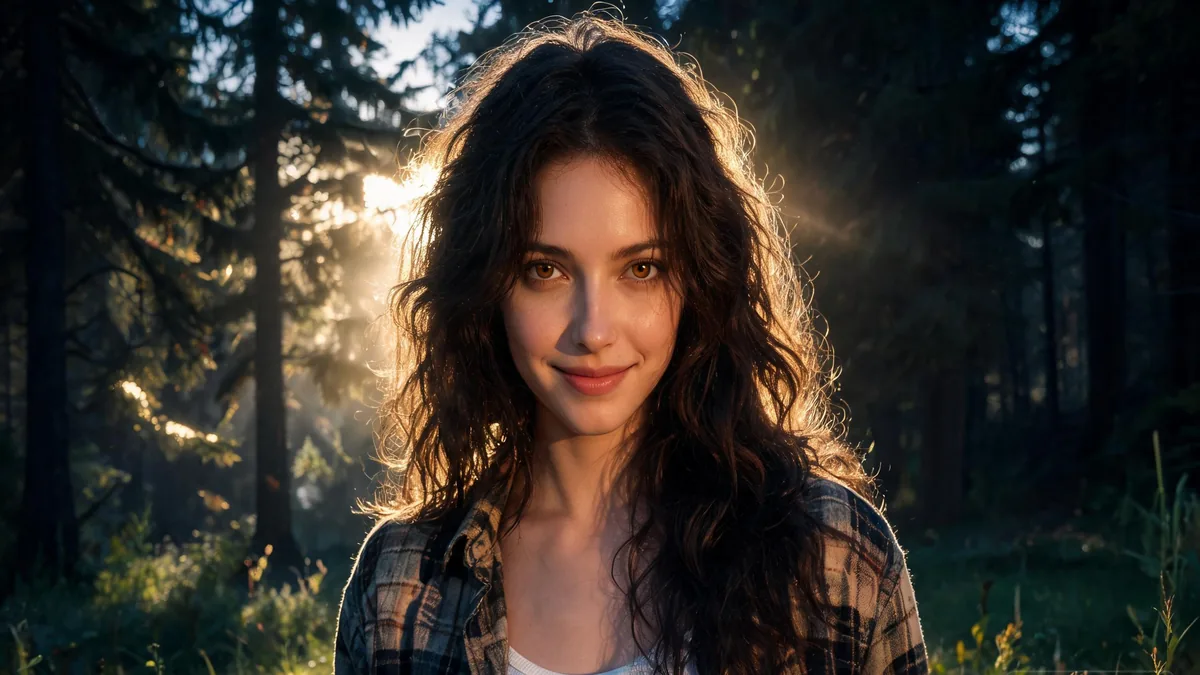
A werewolf is a human who turns into a wolf, usually when the full moon comes out. She walks around like anyone else most of the time, but when the change hits she's faster, stronger, and runs on instinct. The word is just two old English words stuck together: wer (man) and wulf (wolf). So literally, "man-wolf."
Key Takeaways
- A werewolf is a person who shifts into a wolf or wolf-human form, often under a full moon.
- The word comes from Old English wer (man) + wulf (wolf). It literally means "man-wolf."
- The myth goes back to ancient Greece (Lycaon) and was huge in medieval European folklore.
- The modern werewolf we picture today was mostly shaped by The Wolf Man (1941) and the films that followed.
| Pronunciation | WERE-wolf or WEER-wolf (plural: werewolves), noun |
|---|---|
| Origin language | Old English (wer + wulf) |
| Literal sense | "Man-wolf" |
| First popularized | Ancient mythology and medieval European folklore; reshaped by 20th-century films |
| Category | Fantasy and supernatural figure |
| Core trait | A human who turns into a wolf, usually during a full moon |
| Related types | Vampire, Shapeshifter, Demon |
Etymology and Origin
The word is just two old words put together. Wer is Old English for "man." Wulf is "wolf." Stick them together and you get "man-wolf." Pretty literal.
The idea is way older than the word, though. The Greeks already had it. The myth of Lycaon, a king turned into a wolf by Zeus as punishment, is where we get the word lycanthropy, the fancy term for being a werewolf. In medieval Europe the belief was widespread. People genuinely worried that their neighbors might be turning into wolves at night, and there were even werewolf trials in some places. The modern movie version, the one with the full moon and the silver bullet, mostly came from Hollywood. The Wolf Man (1941) locked in the rules most people still picture today.
Defining Traits
- Human most of the time: she lives a normal life until the change hits.
- The transformation: shifts into a full wolf or a tall wolf-human hybrid.
- Full moon trigger: in most versions, the moon is what sets it off.
- Superhuman senses: wild strength, speed, smell, and hearing.
- Weak to silver: silver bullets, silver blades, silver chains. The classic weakness.
- Cursed, born, or bitten: she might inherit it, get it from a bite, or carry a family curse.
How to Recognize a Werewolf (in Fiction)
Writers use a familiar set of signs to mark a character as a werewolf. In a story, watch for:
- She's always weirdly tense around the full moon.
- Heightened senses she tries to play off as normal.
- Strong protective instinct, especially over the people she loves.
- A scar from a bite she won't really talk about.
- Disappears for a night or two every month with a thin excuse.
- Loves the outdoors. Hates being cooped up.
These are storytelling cues, not a checklist. They're the shorthand writers use so you'll catch on before the big reveal.
How a Werewolf Talks
The fun of writing a werewolf is the human and the wolf both showing through. Typical lines mix warmth with a wild edge:
- "You should go inside. The moon is almost full."
- "I can smell that you're scared. Don't be."
- "I would tear the world apart for you. I mean that."
- "There's a part of me you haven't met yet. You will."
The contrast is the appeal: gentle words with a feral undertone. Soft hands, wild eyes.
How It Changed Over Time
The earliest werewolves were monsters, plain and simple. In ancient and medieval stories they were cursed, punished, or pure evil. People you wanted to avoid in the woods at night. The 1941 film The Wolf Man changed everything. It made the werewolf sad and sympathetic instead of just scary. The tragic guy who didn't ask for any of this. From there the type kept softening. An American Werewolf in London (1981) leaned into horror and dark comedy. Teen Wolf (1985 film, 2011 TV series) made the werewolf a teen hero. Harry Potter gave us Remus Lupin, a kind, sad professor cursed since childhood. Twilight (2008 onward) gave us Jacob Black and a whole pack of protective wolf-shifters. Today the werewolf is just as often a love interest or protector as she is a monster.
Types of Werewolf
Fans and writers usually split werewolves into a few clear flavors. Knowing which one you're looking at is the difference between "a werewolf" and the specific kind a story (or a companion) is built around.
By the kind of transformation
- Classical werewolf: the full moon makes her change, ready or not. The old-school version.
- Voluntary shapeshifter: she controls the change. Shifts when she wants, stays human when she wants.
- Half-form werewolf: the big bipedal wolf-human you see in modern horror movies. Walks on two legs, claws and fangs.
- Pack werewolf: works with a pack, with a hierarchy and a real bond with the others.
By how she became one
- Cursed werewolf: got it from a bite, a hex, or a deal. She didn't choose this.
- Born werewolf: it's genetic. She grew up with it, and knows how it works.
Famous Examples
- Lawrence Talbot (The Wolf Man, 1941): the template for every modern werewolf. Tragic, cursed, doomed.
- Remus Lupin (Harry Potter): the kind professor whose monthly change he keeps secret. The sympathetic version turned all the way up.
- Jacob Black (Twilight): protective wolf-shifter and one half of the Cullens-vs-Wolves dynamic that defined a generation of teen romance.
- Scott Howard and Scott McCall (Teen Wolf, 1985 film and 2011 series): the werewolf as teen hero.
- The Underworld series (2003 onward): the films that made "vampires vs werewolves" a pop culture staple.
Werewolf in Games and Wider Media
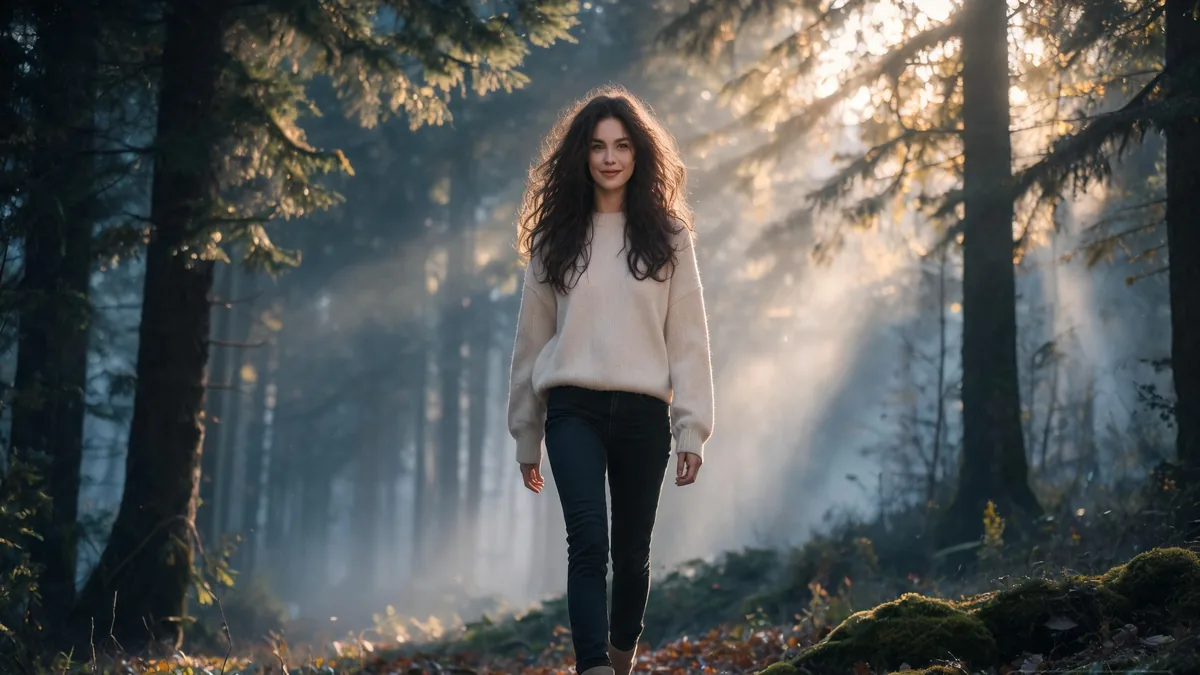
Books and films gave us the look, but games made the werewolf playable.
- World of Warcraft (Worgen): the playable wolf-people race that brought werewolf-style characters to millions of players.
- The Elder Scrolls V: Skyrim: a whole questline where you become a werewolf and choose what to do with the gift (or curse).
- Vampire: The Masquerade and Werewolf: The Apocalypse: the tabletop RPGs that built deep werewolf lore for fans who want more than a movie.
- Twilight and Underworld: the films that made the wolf-vs-vampire dynamic a pop culture staple.
What started as a folk monster is now a mainstream fixture of games, fiction, fan art, and companion design worldwide.
Are Werewolves and Vampires Enemies?
In folklore, no. They're separate myths from different traditions, and in older stories they barely overlap at all. The whole "vampires vs werewolves" thing is mostly a Hollywood invention. The Underworld films (2003 onward) built their whole world around the rivalry, and Twilight (2008 onward) cemented the idea for a whole new generation with the Cullens-vs-Wolves dynamic. Fun on screen, but it's a modern story choice, not old lore.
Werewolf vs Related Supernatural Types
| Type | What they are | Core feeling |
|---|---|---|
| Werewolf | Human who turns into a wolf | Wild, protective, instinct-driven |
| Vampire | Undead who feeds on blood | Elegant, cold, hungry |
| Shapeshifter | Can take many forms, not just wolf | Flexible, mysterious, hard to pin down |
| Demon | Supernatural being from another realm | Powerful, otherworldly, often tempting |
Can a Werewolf Be Female?
Yes. Famous werewolves in old film tended to be male, but the type isn't tied to any gender. Female werewolves are common in modern books, games, and shows. Ginger Snaps (2000) made a female werewolf the heart of one of the most loved werewolf films of the last 25 years. What makes a werewolf a werewolf is the transformation and the wild side, not the character's gender.
The Appeal (and the Nuance)
Why people love the type: she's the fantasy of the wild partner. Strong, protective, instinct-driven, and a little bit dangerous. The werewolf gets to live with one foot in the human world and one in the woods, and that tension is what makes her so fun to write and read. She's the partner who would run through a forest for you.
The nuance: the werewolf is a piece of fiction. She's a story device, not a model for real life. Part of the fun is that the wildness lives in the safe space of fiction, where you can enjoy the intensity without anyone actually getting bitten. The best werewolf characters are interesting because of what the transformation says about being human, not just because they have claws.
The Werewolf in AI Companions
As an AI companion type, a werewolf is a partner who's wild, protective, and a little bit feral under all that warmth. She's the kind who'd walk you home in the dark, and mean it. With AI, you get the full intensity of the type in a safe, controlled, fictional space that you run. If a wild but devoted companion sounds like your thing, browse our Fantasy AI girlfriend collection, or create an AI girlfriend from scratch with the look, voice, and personality that fit you.
Frequently Asked Questions
What is a werewolf?▾
A werewolf is a human who turns into a wolf or a wolf-human hybrid, usually when the full moon comes out. The word literally means 'man-wolf,' from Old English wer (man) plus wulf (wolf).
Where do werewolves come from?▾
The idea is ancient. The Greeks had the myth of Lycaon, a king turned into a wolf by Zeus, which gave us the word lycanthropy. Belief in werewolves was widespread across medieval Europe, and the modern movie version was mostly locked in by The Wolf Man in 1941.
Are werewolves and vampires enemies?▾
In folklore, no. They're separate myths from different traditions and barely overlap in old stories. The whole 'vampires vs werewolves' thing is mostly Hollywood, especially from the Underworld films (2003 onward) and Twilight (2008 onward).
Can a werewolf turn into a wolf at will?▾
Depends on the version. In classical stories the full moon forces the change. In modern fiction you often get voluntary shifters who control when they change, and 'born' werewolves who grew up with it and know how to handle it.
What kills a werewolf?▾
The classic weakness is silver. Silver bullets, silver blades, and silver chains all show up across modern werewolf stories. Some versions also use wolfsbane (the plant) or a beheading. The silver rule mostly came from films.
Are there female werewolves?▾
Yes. Famous werewolves in old film were often male, but the type isn't tied to any gender. Ginger Snaps (2000) made a female werewolf the heart of one of the most loved werewolf films of the last 25 years, and female werewolves are common in modern books and games.
Who is the most famous werewolf?▾
Lawrence Talbot from The Wolf Man (1941) is the template for the modern werewolf. In recent decades, Remus Lupin from Harry Potter and Jacob Black from Twilight are probably the two most widely known.
What's lycanthropy?▾
Lycanthropy is the fancy word for being a werewolf, or for the act of turning into one. It comes from the Greek myth of Lycaon, a king Zeus turned into a wolf.
Meet our fantasy AI girlfriends
Browse the companions on AIGirlfriends.ai who play this archetype with conviction.
Fantasy AI Girlfriend →