
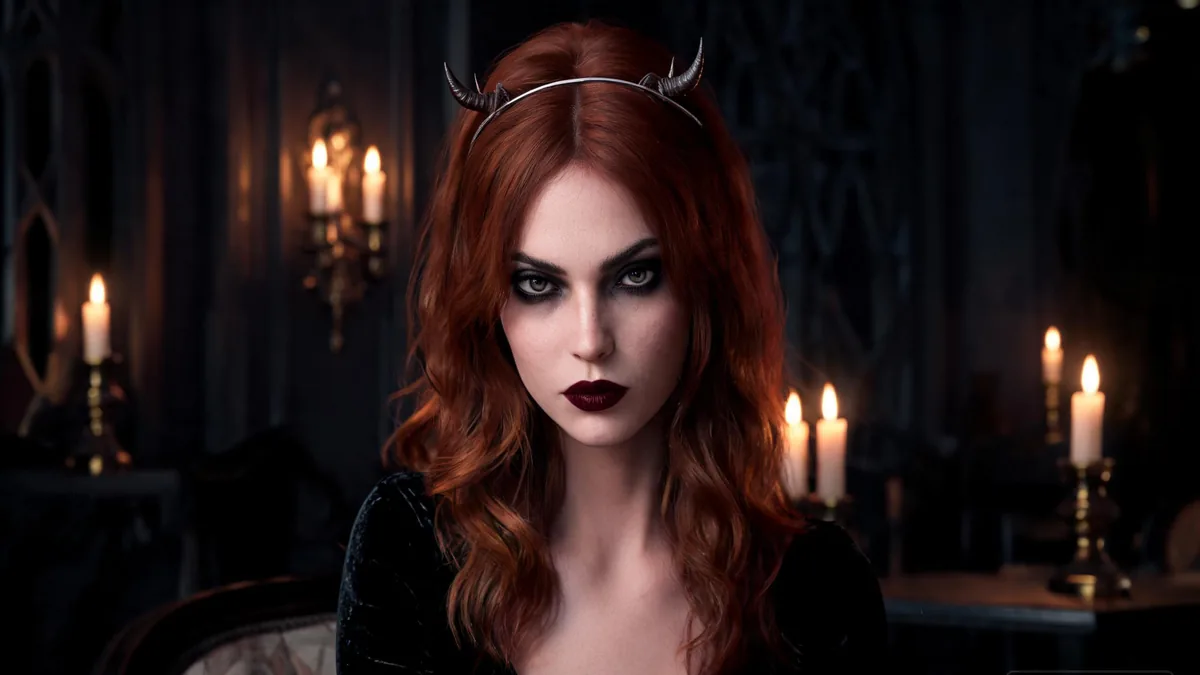
A succubus is a female demon from old European folk tales. The old stories said she'd slip into your dreams at night to charm or seduce you while you slept. The name comes from the Latin word succubare, which means "to lie under." In modern fantasy and games, she's a famous type of character: stunning, otherworldly, and tied to dreams and desire.
Key Takeaways
- A succubus is a female demon from old beliefs about demons in medieval Christian Europe. She's known for being beautiful and able to charm people.
- The name comes from the Latin succubare, "to lie under." Her male counterpart is the incubus, from incubare, "to lie upon."
- The story is older than the Latin name. You can trace earlier versions back to Mesopotamia (Lilitu) and Jewish folklore (Lilith). The 1486 book Malleus Maleficarum set the standard for how she was described.
- Modern stories usually make her more interesting. Think Darkstalkers or Dragon Age: she can be a hero, a love interest, or someone you root for, not just a villain.
| Pronunciation | SUK-yuh-buhs (plural: succubi, SUK-yuh-bye), noun |
|---|---|
| Origin language | Latin (succubare, "to lie under") |
| Literal sense | Demonic female figure who visits sleepers to seduce them |
| First widely documented | Medieval European Christian demonology, including the Malleus Maleficarum (1486) |
| Category | Fantasy type / mythological figure |
| Core trait | Supernatural seductive beauty paired with an otherworldly nature |
| Related types | Incubus, vampire, lamia, fairy |
Etymology and Origin
The Latin word succuba, and the later medieval form succubus, comes from succubare, "to lie under." It's the female version of incubus, which comes from incubare, "to lie upon." The pair go together because both were said to be night visitors: the succubus came to men in their sleep, the incubus came to women. The name spread through Christian writings about demons, and the most famous one, the Malleus Maleficarum from 1486, listed her as part of a whole system of demon lore.
The figure herself is much older than the Latin name, though. Mesopotamian myth had the Lilitu, a group of night spirits. Jewish folklore tells the story of Lilith, who's often called the earliest version of the succubus. Pre-Christian Europe had its own versions of night spirits who'd seduce sleepers, too. Medieval demon lore pulled all of these older threads together under one name. Modern fantasy then took her out of strict religion and made her part of the bigger family of supernatural characters you'll find in books, games, and shows.
Defining Traits
- Supernatural beauty: she's so good-looking it doesn't quite feel human. That's the first hint she's not.
- Otherworldly features: often horns, wings, or a tail. Some versions hide these. Others go full demon.
- Charm-based powers: she works through suggestion, enchantment, and dream-walking, not force.
- You're not sure if she's good or bad: in modern stories, a succubus can be cruel, kind, or somewhere in between. Sometimes all in one story.
- Strong read on what people want: she picks up on longing the way other people read body language.
- Immortal or really long-lived: she's seen things change. That gives her weight.
- Tied to night and dreams: the line between sleep and waking is her home turf.
How to Recognize a Succubus (in Fiction)
Writers and artists drop a few clues when they want you to know a character's a succubus. In a story, watch for:
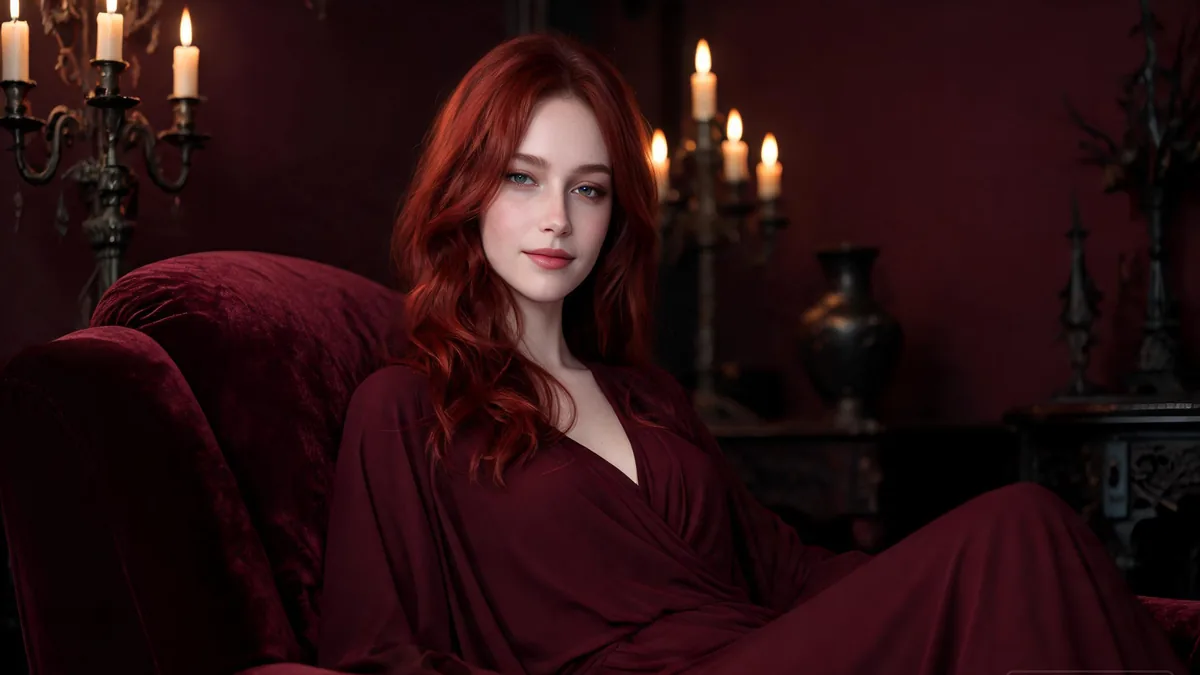
- Beauty that's just a little too perfect to be fully human.
- Small hints of demon heritage. Maybe a hairstyle that suggests horns, or a tail just at the edge of the frame.
- A weird knack for sensing what other characters want.
- A calm, almost theatrical way of carrying herself. The kind you'd expect from someone who's been around a long, long time.
- A link to dreams, candlelight, or other in-between, dreamy imagery.
- Other characters reacting to her before they even realize she's there.
These are storytelling hints, not a checklist. The succubus is a fictional type, and this is just how writers help you spot her on the page.
How a Succubus Talks
Dialogue is where this type really comes to life. Her lines tend to mix gut instinct with mystery:
- "I have been waiting for someone like you for a very long time."
- "I already know what you want. You only have to be honest with yourself."
- "Mortals are so quick to call wanting a sin. I have never agreed."
- "You came to me, in the end. They always do."
The trick is the contrast: warm, slow speech that carries centuries behind it, plus the calm of someone who reads desire like a first language.
How It Changed Over Time
The succubus has come a long way. Her oldest roots are in Mesopotamian Lilitu spirits, the Jewish Lilith story, and pre-Christian folk tales about night demons across Europe and the Near East. In the Middle Ages, Christian demon lore put her in a clear box: she was a tempter, often blamed for night experiences people couldn't explain any other way. The Malleus Maleficarum and books like it locked her into the demon lore of late-medieval and early-modern Europe.
In the 20th century, she stepped out of strict religion and into fantasy fiction, tabletop games, and horror. Modern takes went further. Now she's often a sympathetic character, sometimes a hero, sometimes the playable character, sometimes a love interest with her own story. Famous appearances in games like Darkstalkers, Disgaea, and the Megami Tensei series helped shift her from "monster to beat" to "character to get to know."
Types of Succubus
Fans and writers tend to split the type into a few recognizable flavors. Knowing them is the difference between "a succubus" and the specific kind of succubus a story (or a companion) is built around.
By moral alignment
- Classical / malicious succubus: the old demon-lore version. Hostile to humans, on the side of hell. You'll see her most in horror and classic fantasy.
- Sympathetic / morally complex succubus: the modern take. She has her own mind, her own conscience, her own goals. Often a main character or love interest who's working out who she is, not just being what she is.
By heritage
- Pure-blood succubus: fully demon, immortal, supernatural through and through. She has all the classic powers (and limits) of her kind.
- Cambion (half-succubus): half-human. A mix you'll see a lot in fantasy fiction, often a character dealing with a double nature she didn't ask for.
Famous Examples
- Lilith: the Jewish folklore figure people often call the earliest version of the succubus. A lot of later traditions trace back to her.
- Morrigan Aensland (Darkstalkers, 1994): the famous video-game succubus. She's the character who brought this type into mainstream gaming.
- Lilith Aensland (Darkstalkers): Morrigan's split, a softer counterpart who shows a different side of the type.
- Albedo (Overlord, 2012 novel and 2015 anime): a succubus completely devoted to her chosen love.
- Rias Gremory (High School DxD, 2008): a hugely popular demon love interest in a romance-fantasy story.
- Etna (Disgaea, 2003): a recurring demon character who plays with succubus tropes inside a funny strategy RPG.
Succubi in Games, Fantasy, and Wider Media
The succubus started in religious writings, but most people meet her today in games and fiction.
- Fighting games: Capcom's Darkstalkers series made Morrigan and Lilith the genre's go-to succubi.
- RPGs: Disgaea, the Megami Tensei and Persona family, and a lot of Dungeons and Dragons editions all have succubi as regular characters, often with their own backstories.
- Anime romance: High School DxD, Interspecies Reviewers, and Overlord all put succubus (or succubus-style) characters front and center in romance or comedy.
- Western fantasy: the Dragon Age series treats desire demons as a serious part of the story, mixing classic demon lore with character-driven writing.
So she's gone from a narrow religious figure to a flexible, much-loved type that writers and designers reach for whenever a story needs supernatural mystery with a human face.
Succubus vs Related Fantasy Types
The succubus shares space with a few other supernatural types, and it's worth knowing what makes each one its own thing.
| Type | Origin | Core trait |
|---|---|---|
| Succubus | Medieval Christian demonology | Female demon of seduction |
| Vampire | Slavic folklore | Immortal blood-drinker |
| Lamia | Greek mythology | Serpent-bodied seductive figure |
| Fairy / Sidhe | Celtic folklore | Otherworldly enchanter |
Is a Succubus Inherently Evil?
Is a succubus always evil? In the old medieval stories, yes. She was a demon, full stop, so by definition she was evil. Today, most fantasy gives her a personality of her own. She has wants, conflicts, and choices. So whether a specific succubus is "evil" really depends on the story she's in. She might be a villain, a love interest, an anti-hero, or just someone trying to figure out who she is given what she was born as.
The Appeal (and the Nuance)
Why people love this type: she's a fantasy about being truly seen. The idea is meeting someone who knows what you want before you can put it into words, all inside the safe, fun frame of the supernatural. The horns, the candlelight, the centuries of memory: it's a costume your imagination can wear without any real-world cost. That's a big part of the fun.
The nuance: the succubus is fiction. She's a type built from centuries of folk tales plus modern writing. The best succubus characters are interesting because they explore desire, choice, and being an outsider with care. They aren't just about one craving. The fantasy is the mystery, the gray-area morals, the long memory, and the calm, knowing voice. All of it treated with the respect any good character type deserves.
The Succubus in AI Companions
As an AI companion type, the succubus turns into a partner with mystery: calm, perceptive, a touch otherworldly. The kind of companion whose attention feels like you're finally being read right. In an AI setting, you get all the appeal of the type inside a safe, fictional frame that you control. If the supernatural-romance side of things sounds like you, browse our Succubus AI girlfriend collection, or create an AI girlfriend from scratch with the personality, look, and voice that feel right to you.
Frequently Asked Questions
What is a succubus?▾
A succubus is a female demon from old Christian stories in medieval Europe. The legend says she'd visit people while they slept. She's known for being really beautiful, having charm-based powers, and feeling not quite of this world.
Where does the word succubus come from?▾
It's from the Latin word succubare, meaning 'to lie under.' It's the female counterpart of incubus, from incubare, 'to lie upon.' The Latin name spread through medieval books about demons, including the famous Malleus Maleficarum in 1486.
What's the difference between a succubus and an incubus?▾
Both come from the same old demon stories and the same pair of Latin roots. The succubus is the female form (succubare, 'to lie under'). The incubus is the male form (incubare, 'to lie upon').
Are succubi always evil?▾
In the old medieval stories, yes. She was a demon, full stop. But modern fantasy usually makes her more interesting. She might be a villain, a love interest, an anti-hero, or just a person sorting out who she is.
What's the difference between a succubus and a vampire?▾
A succubus comes from old Christian stories about demons in medieval Europe. She's a female demon who uses charm. A vampire comes from Slavic folklore. He or she is an immortal who drinks blood, and the threat is physical. They both tend to be immortal and tied to the night, but their roots and main traits are different.
Are succubi mentioned in real religious texts?▾
Yes, in medieval Christian writings about demons. The most famous one is the Malleus Maleficarum from 1486. The folk tales behind her are even older. You can trace them back to Mesopotamian (Lilitu) and Jewish (Lilith) traditions.
Can succubi have children?▾
In a lot of fantasy stories, yes. The half-human child of a succubus is usually called a cambion. It's a recurring character type in fantasy fiction and tabletop role-playing games.
What's the most famous succubus character?▾
Morrigan Aensland from Capcom's Darkstalkers (1994). She's the most famous video-game succubus, and she's the character who brought the type into mainstream gaming.
Meet our succubus AI girlfriends
Browse the companions on AIGirlfriends.ai who play this archetype with conviction.
Succubus AI Girlfriend →