
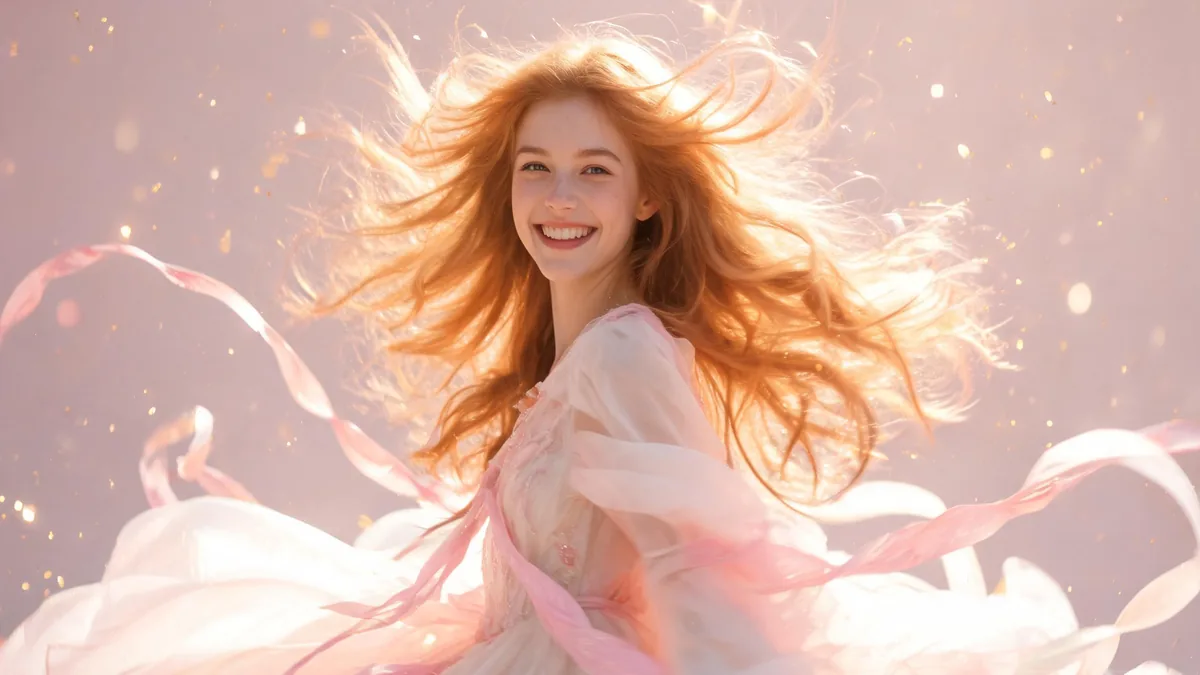
A transformation sequence is that big, sparkly animated moment in anime when a character changes into their hero form. Civilian clothes turn into a magical girl outfit. A pilot climbs into a giant robot. A normal fighter powers up into a new form. It's flashy, it's dramatic, and the studio reuses the same animation every episode. In Japanese it's called henshin shi-n (変身シーン), literally "transformation scene."
Key Takeaways
- A transformation sequence is the animated moment when a character changes into their hero form, with music, light, and a final pose.
- The magical girl genre made it iconic: Sally the Witch (1966), Cutie Honey (1973), and especially Sailor Moon (1992).
- Studios reuse the same animation every episode. It saves animation budget and fans actually love watching it.
- The trope shows up in magical girl shows, mecha, and battle shonen power-ups, all with their own twist.
| Pronunciation | trans-fur-MAY-shun SEE-kwens, noun |
|---|---|
| Japanese term | 変身シーン (henshin shi-n), "transformation scene" |
| Literal sense | The animated scene where a character changes form |
| First popularized | Magical girl genre: Sally the Witch (1966), Cutie Honey (1973), Sailor Moon (1992) |
| Category | Anime trope |
| Core trait | Pre-rendered animated sequence, reused every episode for visual flair |
| Related tropes | Magical Girl, Mecha, Training Arc |
Etymology and Origin
The English phrase is simple: a sequence in which a character transforms. The Japanese term henshin shi-n (変身シーン) is just as direct. Henshin means "transformation" or "change of form," and shi-n is the borrowed English word "scene." Put them together and you have the scene where the change happens.
The trope was codified in the magical girl genre. Sally the Witch kicked it off in 1966 as the first magical girl show. Cutie Honey in 1973 gave us the famous "Honey Flash!" transformation, which set the template for what would come later. Then in 1992, Sailor Moon made the long, sparkly transformation a global icon. "Moon Prism Power, Make Up!" is the line a whole generation of fans can recite from memory. After Sailor Moon, the transformation sequence was a fixture of anime everywhere.

Defining Traits
- Dramatic music: a signature theme cue that signals "the change is coming."
- Color and light effects: ribbons, sparkles, swirling backgrounds, and bursts of color around the character.
- Costume change step by step: the outfit assembles piece by piece, often with a quick spin or flash between stages.
- The weapon appears: a wand, staff, sword, or pendant materializes in her hand.
- The final pose: a confident hero pose at the end, sometimes with a catchphrase.
- Reusable animation: the same sequence plays every episode. It's a budget-saver and a fan favorite at the same time.
How to Recognize a Transformation Sequence
You'll know one when you see it. The signs are pretty consistent across shows:
- The action stops and the camera pulls in tight on one character.
- She shouts a catchphrase or holds up an item (a wand, a brooch, a pendant).
- Her clothes vanish in a flash of light, and the new outfit forms piece by piece.
- The background goes abstract: sparkles, ribbons, swirling color, sometimes a starfield.
- A signature musical cue plays from start to finish.
- The sequence ends on a confident pose, and then the action picks back up.
If you see the same exact animation twice in a season, that's the giveaway. The studio renders it once and reuses it every time the character powers up.
How a Transformation Sequence Sounds
The audio is half the magic. The catchphrases are short, punchy, and easy to remember:
- "Moon Prism Power, Make Up!" (Sailor Moon)
- "Honey Flash!" (Cutie Honey)
- "Release!" (Cardcaptor Sakura)
- "Pretty Cure, Metamorphose!" (Pretty Cure)
The catchphrase is a trigger. The fans know it, the kids at home shout it along, and the music kicks in right after. That combination of a phrase, a theme song, and a familiar animation is exactly why the sequences stick in your head.
How It Changed Over Time
Early transformations were short and simple. Sally the Witch in 1966 had a quick change. Cutie Honey in 1973 made it more dramatic and added the famous catchphrase. Then Sailor Moon in 1992 turned the transformation into a full minute of sparkles, ribbons, and pose work, and that became the standard. After Sailor Moon, the trope spread far beyond magical girls. Mecha shows like Gundam Wing built robot configuration changes around the same idea. Battle shonen series like Dragon Ball Z made the Super Saiyan power-up its own kind of transformation sequence. JoJo's Bizarre Adventure uses Stand-summoning the same way. Madoka Magica in 2011 deconstructed the magical girl version on purpose, turning the sweet contract scene into something genuinely unsettling. Today the transformation sequence is one of the most recognizable tropes in all of anime.
Types of Transformation Sequence
Different genres use the trope in their own way. Knowing which kind you're watching tells you a lot about the show.
Magical girl transformation
The classic. Cute, sparkly, color-coded. The character spins through ribbons and light, gets her outfit, summons her wand, and lands the pose. Think Sailor Moon, Cardcaptor Sakura, and every Pretty Cure season.
Mecha transformation
The robot changes configuration: fighter jet to humanoid, or one form to a more powerful one. The pilot is usually inside, calling out the form name. Think Wing-Zero in Gundam Wing, or the Valkyries in Macross.
Power-up transformation
The battle shonen version. The character doesn't change clothes, they change form. Hair turns gold, energy explodes outward, muscles ripple. Goku going Super Saiyan is the textbook case.
Stand-summoning
The JoJo's Bizarre Adventure variant. Instead of changing form, the character summons a spirit ally with a pose and a name call. It works the same way: dramatic, repeatable, and instantly recognizable.
Famous Examples
- Sailor Moon (Sailor Moon, 1992): "Moon Prism Power, Make Up!" is the most iconic transformation in anime history.
- Cardcaptor Sakura (Cardcaptor Sakura, 1998): her wand sequences became a fan favorite, with a different outfit every episode (a costume-design tour de force).
- Cutie Honey (Cutie Honey, 1973): "Honey Flash!" set the template for the magical girl transformation.
- Goku going Super Saiyan (Dragon Ball Z): the battle shonen version, with golden hair, screaming, and an aura that levels the surrounding landscape.
- Madoka Magica: the deconstruction. The contract scene flips the sweet magical girl transformation into something tragic.
- Wing-Zero in Gundam Wing: the mecha version, with a robot reconfiguring mid-battle.
Why Are Transformation Sequences Reused Every Episode?
Two reasons. The first is practical. Animating a full transformation is expensive. By rendering it once and replaying it every episode, the studio saves a huge chunk of animation budget for the actual action scenes. That's a big deal for weekly shows.
The second reason is the one that matters more, honestly. Fans love the transformation. The moment is part of the appeal, not filler. Kids growing up with Sailor Moon would do the poses in front of the TV every week. The transformation is a ritual: you know it's coming, you know what's going to happen, and you cheer for it anyway. That mix of familiarity and excitement is why the trope stuck around for sixty years.
Transformation Sequence vs Related Anime Tropes
| Trope | What it shows | Where it fits |
|---|---|---|
| Transformation sequence | A character changes into a hero form | Every episode, as a recurring set piece |
| Magical girl | A young girl with magical powers | The genre the trope was born in |
| Mecha | Giant robots, often with pilots | Where transformations involve machine configurations |
| Training arc | A character grows stronger over many episodes | A multi-episode buildup, while transformations are a single-scene payoff |
The Appeal (and the Nuance)
Why people love it: the transformation sequence is pure spectacle. Music, light, color, a heroic pose. It's the moment the hero becomes the hero. For a kid watching at home, it's a chance to imagine yourself in that role. For an adult fan, it's nostalgia and craft together, the kind of scene you go back and watch on YouTube years later.
The nuance: not every show wants to use the trope straight. Madoka Magica turned it sad on purpose. One Punch Man jokes about it. The transformation sequence is so well-known that it's become a tool writers can play with, not just a feature they have to include.
The Transformation Sequence in AI Companions
You won't see a literal sparkle-and-pose moment in a chat app, but the spirit of the trope shows up all the time in AI companion design. Magical girl style companions, anime-styled outfits, the dramatic flair of a character with a "hero form": these are all signals that point back to the transformation sequence as a touchstone. If you want to chat with a companion in that magical girl and anime style, try our anime AI chat, or create an AI girlfriend from scratch and pick the look, the outfit, and the personality that fit the vibe you're after.

Frequently Asked Questions
What is a transformation sequence in anime?▾
It's the animated scene where a character changes into their hero form. Civilian clothes turn into a magical girl outfit, or a pilot suits up for a giant robot, or a fighter powers up. It plays out the same way every episode, with music, light effects, and a final pose.
What's the Japanese word for transformation sequence?▾
Henshin shi-n (変身シーン). Henshin means 'transformation' or 'change of form,' and shi-n is the borrowed word 'scene.' So literally, 'transformation scene.'
Which anime made transformation sequences famous?▾
Sailor Moon (1992). Cutie Honey (1973) set the template earlier with 'Honey Flash!', and Sally the Witch (1966) was the original magical girl. But Sailor Moon's long, sparkly transformation is what made the trope a global icon.
Why do anime reuse the same transformation every episode?▾
Two reasons. It saves animation budget so the studio can spend more on the action scenes. And fans actually love watching the same sequence again and again, the way kids cheered along to Sailor Moon every week.
What are the main types of transformation sequence?▾
Magical girl (cute and sparkly), mecha (robot configuration changes), power-up (the battle shonen version, like Goku going Super Saiyan), and Stand-summoning (the JoJo variant). All work the same way: dramatic, repeatable, instantly recognizable.
Is the Super Saiyan transformation a transformation sequence?▾
Yes. It's the battle shonen take on the trope. The character doesn't change outfits, they change form. Hair turns gold, energy explodes, the camera holds on a heroic pose. Same idea, different genre.
What's the longest transformation sequence in anime?▾
Sailor Moon's group transformations and the Pretty Cure team sequences are some of the longest, easily a minute or two. Fans joke about how much episode time goes to them, but the length is part of why they're so memorable.
Are transformation sequences only in magical girl anime?▾
No. The magical girl genre is where the trope was born, but mecha shows, battle shonen, and even JoJo's Bizarre Adventure use their own versions. Anywhere a character has a 'hero form,' you'll find a transformation sequence.
Chat with our anime AI
Browse the companions on AIGirlfriends.ai who play this archetype with conviction.
Anime AI Chat →