
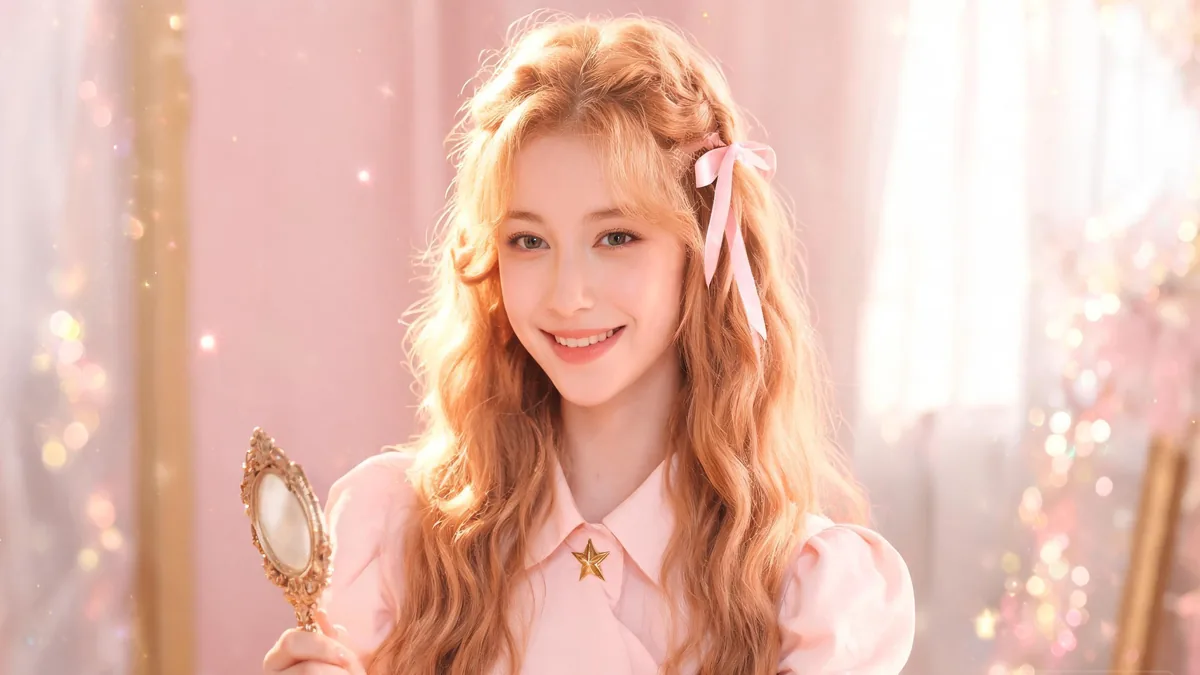
A magical girl is a young heroine in anime who gets magical powers, transforms into a sparkly outfit, and fights to protect her world. She usually has a cute magical animal mascot as a sidekick, a special wand or weapon, and a group of color-coded friends. The whole genre runs on friendship, love, and the idea that an ordinary girl can save the day. In Japanese it's called mahou shoujo (魔法少女), which just means "magic girl."
Key Takeaways
- A magical girl is a young heroine who gains magic powers, transforms, and fights to protect her friends and her world.
- "Magical girl" is the English translation of the Japanese mahou shoujo (魔法少女).
- The genre started with Sally the Witch in 1966 and was redefined by Sailor Moon in 1992.
- Common ingredients: a transformation scene, a magical mascot, a wand or weapon, and themes of friendship saving the day.
| Pronunciation | MAJ-ih-kuhl GUHRL (English) / mah-HOH SHOH-joh (Japanese 魔法少女) |
|---|---|
| Origin language | Japanese (魔法少女, mahou shoujo) |
| Literal sense | "Magic girl" |
| First popularized | Sally the Witch (1966); modern template set by Sailor Moon (1992) |
| Category | Anime subgenre |
| Core trait | An ordinary girl gains magic, transforms, and fights to protect her world |
| Related types | Shojo, Witch, Mecha |
Etymology and Origin
"Magical girl" is the straight English translation of the Japanese term mahou shoujo (魔法少女). Mahou means "magic" and shoujo means "young girl." Put them together and you get a young girl with magic. That's literally all the words mean. Everything else (the wand, the transformation, the talking animal mascot) is stuff the genre picked up along the way.
The genre started in 1966 with Sally the Witch (Mahoutsukai Sally), an anime about a princess from a magic kingdom who comes to live in the human world. Cutie Honey in 1973 added action and the famous transformation sequence. Then Sailor Moon showed up in 1992 and basically wrote the modern rulebook: a team of girls, a magical mascot, sparkly transformations, color-coded uniforms, and a "love and friendship save the world" message. Almost every magical girl show since then has either followed that template or pushed against it.
Defining Traits
- An ordinary girl with a secret: she usually starts out as a normal schoolgirl. The magic is the part of her life nobody else sees.
- A transformation sequence: the big moment where she changes from her regular self into her magical form. Cue the sparkles.
- A magical companion: often a small, cute animal that talks. The mascot delivers the powers, hands out advice, and provides comic relief.
- A wand or special weapon: the tool that focuses her power. Sometimes it's a wand, sometimes a staff, sometimes a magical pen.
- Friendship as the real superpower: the bond between the girls is what actually wins the fight. Love and loyalty beat the bad guys.
- Color-coded teams: when there's a group, each member usually has her own color, theme, and personality. Easy to tell who's who.
How to Recognize a Magical Girl (in Fiction)
The genre has a clear set of beats writers reach for. In a story, watch for:
- A regular girl who gets pulled into something magical, usually in the first episode.
- A tiny animal sidekick that can talk and hands her her powers.
- An item: a wand, a brooch, a pendant. Something she holds up and yells a magic word at.
- A transformation scene that pauses the action so we can watch the sparkles.
- Bad guys who feed on sadness, fear, or hate.
- Friends who join the team, each with their own color and power set.
- A monster of the week, plus a season-long bigger villain in the background.
Hit four or five of those and you're almost certainly watching a magical girl show.
How a Magical Girl Talks
The dialogue leans warm, brave, and a little dramatic. Big feelings get said out loud:
- "In the name of the moon, I'll punish you!"
- "I won't let you hurt my friends!"
- "As long as we're together, we can do anything!"
- "My heart is my power!"
The voice is sincere on purpose. Magical girl stories trust the audience to take love and friendship seriously, and the lines are written to land that way.
How It Changed Over Time
The genre has gone through a few clear chapters. The first wave in the late 1960s and 1970s, with shows like Sally the Witch and Cutie Honey, was about cute girls with magic powers having gentle adventures. The 1990s wave, led by Sailor Moon, made it a team sport and added action, romance, and a big save-the-world stake. The 2000s leaned into the sweetness with shows like Cardcaptor Sakura and the long-running Pretty Cure, which is still going today. Then in 2011, Puella Magi Madoka Magica flipped the whole thing on its head. It kept the cute look, the wands, and the mascot, but treated the magic as a real and often dark contract. After that, "dark magical girl" became its own thing, and the genre split into two big modes: the bright, hopeful classic kind, and the moody, scarier kind. Both are still popular, and a lot of new shows mix the two.
Types of Magical Girl
Fans usually split magical girl shows into a few clear flavors. Knowing which one you're watching tells you most of what to expect.
By story shape
- Classic magical girl: the warm, hopeful kind. One girl, a magical mascot, a wand, and a season of growing up. Sailor Moon and Cardcaptor Sakura are the gold standard.
- Magical girl team: a group of girls, each with her own color and power. Pretty Cure and Magic Knight Rayearth live here.
- Magical girl warrior: heavier on the action. The fights matter as much as the friendships, and the stakes are big.
- Dark magical girl: the cute look, the wand, the mascot, but the magic comes with a real cost. Madoka Magica and Magical Girl Raising Project set the template.
Famous Examples
- Sailor Moon (1992): the show that defined the modern template. A team of girls, a talking cat, sparkly transformations, and a love-saves-the-world ending.
- Cardcaptor Sakura (1996): a softer, gentler take. A schoolgirl collects magical cards with help from a tiny winged mascot.
- Pretty Cure (2004 onward): a long-running franchise that resets with a new team every year or two. Action-heavy and very on-brand.
- Puella Magi Madoka Magica (2011): the show that took the genre apart. Looks cute, hits hard.
- Magic Knight Rayearth (1993): three girls pulled into a fantasy world. A bridge between magical girl and fantasy adventure.
- Tokyo Mew Mew (2002): magical girls fused with animal DNA. Goofy, sweet, and very 2000s.
- Little Witch Academia: a modern love letter to the witch end of the genre.
Magical Girl in Games and Wider Media
Anime built the genre, but it lives everywhere now.
- Mobile and gacha games: magical girl gacha games are a whole category, with the Madoka Magica spinoff Magia Record as a standout.
- Visual novels: magical girl routes show up across the medium, often with a darker spin.
- Western shows: shows like Steven Universe and Miraculous Ladybug borrow the genre's beats wholesale.
- Cosplay and fan art: the look is one of the most cosplayed in the world. The wand, the frilly outfit, the twin tails: instantly readable.
What started as a Japanese kids' genre is now a global visual language. You see it in fashion, music videos, indie games, and original art everywhere.
Magical Girl vs Related Genres
| Genre | Focus | Core feeling |
|---|---|---|
| Magical girl | Young heroine with magic powers | Friendship and love save the day |
| Shojo | Stories aimed at young girls | Romance, feelings, growing up |
| Witch | A character who uses magic | Spellcraft, herbs, study |
| Mecha | Giant robots piloted by people | Action, machines, pilot teamwork |
What's the Difference Between Magical Girl and Mahou Shoujo?
They're the same thing. Mahou shoujo (魔法少女) is the Japanese term, and "magical girl" is the English translation of it. Western fans use them interchangeably. Some people use mahou shoujo when they want to sound a bit more in-the-know, or when they're talking about the Japanese tradition specifically, but there's no real difference in meaning. If you're talking about Sailor Moon, you can call her a magical girl or a mahou shoujo. Both are right.
The Appeal (and the Nuance)
Why people love the genre: it takes a regular girl and tells her she's special, powerful, and loved. The transformation sequence is a pure power fantasy. The friendships feel real. The villains are clear. The message ("love and loyalty win") is one we all want to be true. That mix of sparkly fun and big honest feelings is why the genre keeps finding new fans.
The nuance: the genre has a serious side too. Madoka Magica and its descendants use the bright look to talk about grief, sacrifice, and the cost of growing up. A magical girl story can be the warmest thing on TV, or the most heartbreaking. The best ones know exactly which one they're being.
The Magical Girl in AI Companions
As an AI companion style, a magical girl partner is bright, brave, openly affectionate, and a little bit silly. She believes in you, cheers you on, and brings a sparkly energy to a regular evening. With AI, you get the warmth and the playfulness of the genre in a chat you actually run. If a sweet, magical-feeling partner sounds like your thing, try our anime AI chat, or create an AI girlfriend from scratch with the look, voice, and personality that fit you.
Frequently Asked Questions
What does magical girl mean?▾
It's the English translation of the Japanese term 'mahou shoujo' (魔法少女), which means 'magic girl.' It describes a young heroine in anime who gains magic powers, transforms into a sparkly outfit, and fights to protect her world.
What was the first magical girl anime?▾
Sally the Witch (Mahoutsukai Sally) in 1966. It's about a princess from a magic kingdom who comes to live in the human world. It kicked off the whole genre.
Is Sailor Moon a magical girl?▾
Yes, and she's the most famous one. Sailor Moon (1992) defined the modern template: a team of girls, a magical mascot, sparkly transformations, and friendship saving the world.
What's the difference between magical girl and mahou shoujo?▾
They mean the same thing. Mahou shoujo (魔法少女) is the Japanese term, and magical girl is the English translation. Western fans use them interchangeably.
What makes a magical girl story a magical girl story?▾
The usual ingredients are: an ordinary girl gets magic powers, a cute animal mascot acts as her guide, she has a wand or special item, she transforms into a magical outfit, and friendship is the real superpower.
Are magical girl shows just for kids?▾
No. A lot of them are aimed at kids, but the genre is much wider. Shows like Madoka Magica are made for older fans and deal with heavy themes like grief and sacrifice under the sparkly look.
Can a magical girl be a boy?▾
Yes. Magical boys exist, and 'magical girl' is also sometimes used loosely for any character who fits the look and beats, regardless of gender. Shows like Cute High Earth Defense Club Love! play with the idea on purpose.
What is a dark magical girl?▾
It's a magical girl story that keeps the cute look but treats the magic as something with a real, often heartbreaking cost. Madoka Magica and Magical Girl Raising Project are the famous examples.
Chat with our anime AI
Browse the companions on AIGirlfriends.ai who play this archetype with conviction.
Anime AI Chat →