
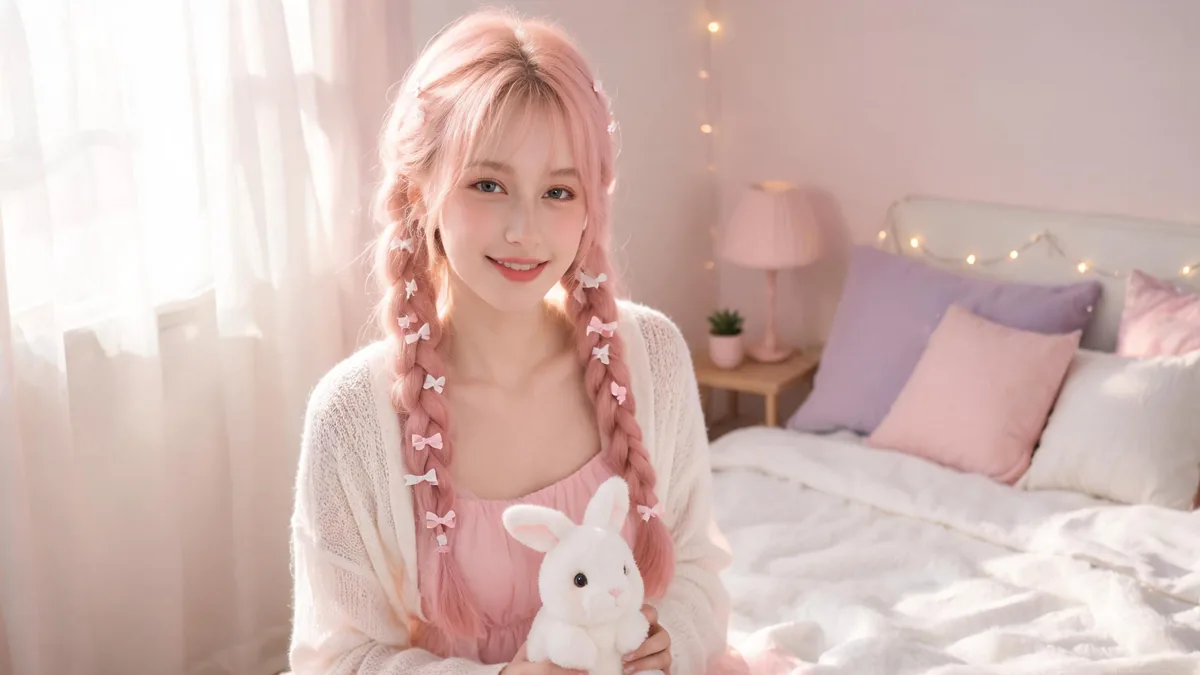
Kawaii is the Japanese word for "cute," and it's grown into a whole aesthetic and cultural style. Think pastel colors, rounded shapes, big eyes, and a soft, sweet, friendly mood. The word itself is ancient, but the look we picture today exploded in Japan in the 1970s with Hello Kitty, and it's been a global thing since the 2000s.
Key Takeaways
- Kawaii is Japanese for "cute," "lovable," or "adorable."
- It's also a full aesthetic: pastel colors, round shapes, big eyes, soft and sweet vibes.
- The cultural phenomenon kicked off in 1970s Japan, with Hello Kitty (1974) and Sanrio leading the way.
- By the 2000s, kawaii had spread worldwide through anime, J-pop, Harajuku fashion, and brands like Pusheen.
| Pronunciation | kah-WAH-ee (かわいい), adjective |
|---|---|
| Origin language | Japanese (可愛い) |
| Literal sense | "Cute," "lovable," "adorable" |
| First popularized | Word used for centuries; cultural phenomenon from 1970s Japan; global from 2000s |
| Category | Aesthetic and cultural style |
| Core trait | Cute, sweet, soft visual style that became a way of life |
| Related types | Cute, Moe, Adorable |
Etymology and Origin
The word kawaii (可愛い) is Japanese for "cute," "lovable," or "adorable." It's been part of the language for centuries, originally meaning something closer to "pitiable" or "able to be loved." Over time the sense softened into the warm, affectionate "cute" we know today.
The kawaii aesthetic, though, is much newer. It really took off in 1970s Japan. In 1974, Sanrio introduced Hello Kitty, and a whole new style of cute character design was born. Japanese teens of the era started writing in a rounded, bubbly script (sometimes called "marui ji") that schools tried to ban. Brands took notice fast, and by the 1980s kawaii was everywhere in Japan: stationery, fashion, snacks, ad campaigns. Western pop culture caught the wave in the 2000s through anime, manga, J-pop, and global Sanrio merch.
Defining Traits
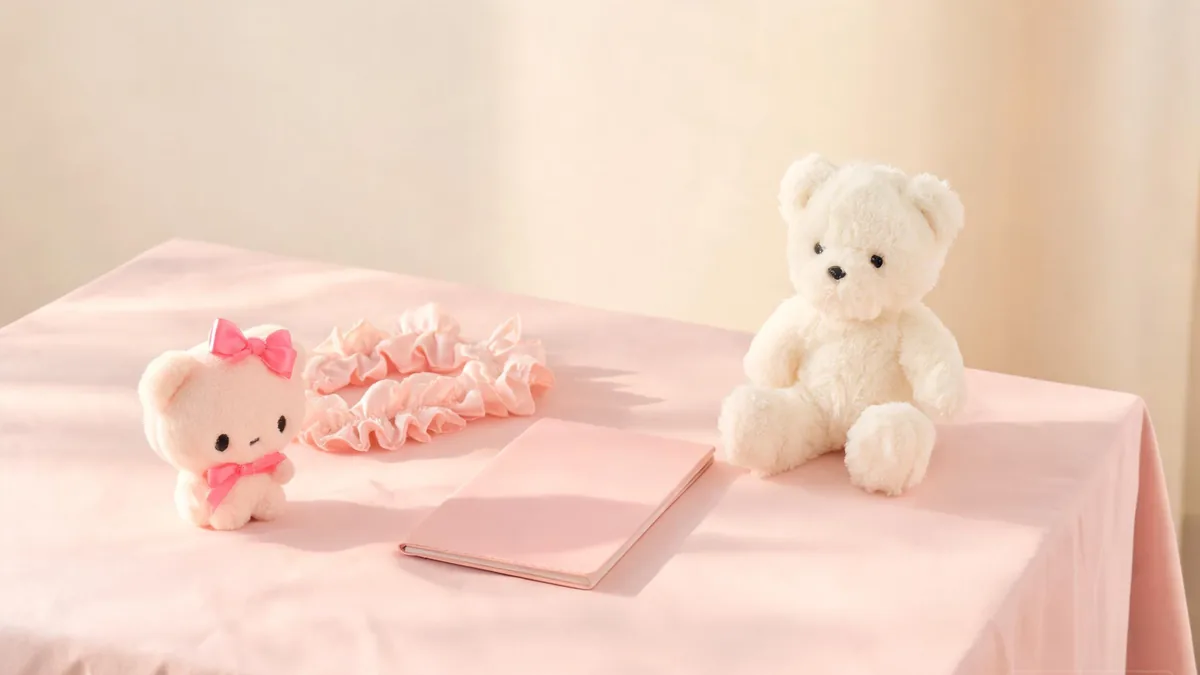
- Pastel colors: pink, baby blue, mint, soft lavender. Nothing harsh.
- Rounded shapes: no sharp edges. Everything soft, plump, and squishy.
- Big eyes: wide, expressive, full of feeling. The signature kawaii look.
- Soft, friendly creatures: tiny animals, smiling plushies, characters that feel like a hug.
- Small details: mini bows, hearts, stars, little ribbons. Tiny touches add up.
- Gentle, playful mood: the vibe is light, happy, and a little dreamy.
- Sweet fashion: bows, frills, soft accessories, pastel hair, cute layered looks.
How to Recognize Kawaii
You can usually spot kawaii in a second. The clues are pretty consistent:
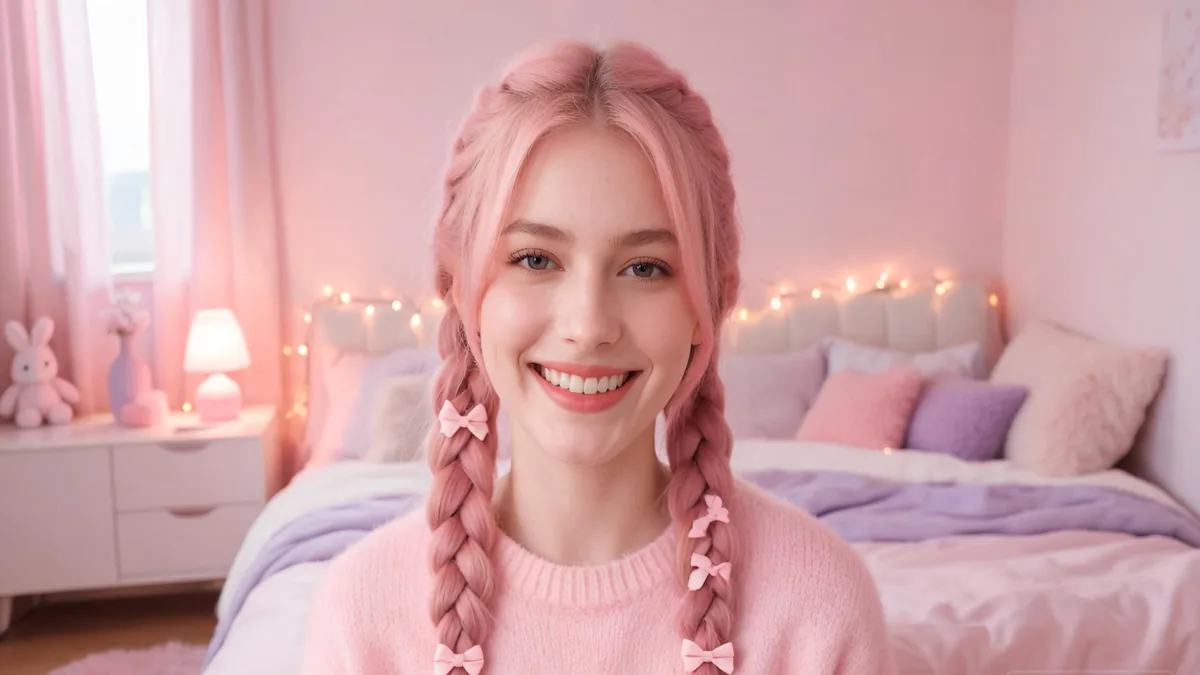
- A palette built around pink, baby blue, mint, and other pastels.
- Characters with oversized heads and big round eyes.
- Soft, rounded fonts and bubbly handwriting.
- Lots of bows, hearts, stars, and tiny decorations.
- Plushies, mascots, and friendly little creatures everywhere.
- An overall mood that feels warm, gentle, and a bit dreamy.
If a thing makes you say "aww" before you even think about it, there's a good chance it's kawaii.
How Kawaii Shows Up in Daily Life
Kawaii isn't only a look. It's also a way of decorating, dressing, and talking that pops up in countless little ways:
- Pastel desk setups and cute stationery (washi tape, sticker sheets, bullet journals).
- Character-themed phones, lunchboxes, and bento art.
- Soft, sweet outfits with bows, ruffles, and plush accessories.
- Cute café food: pancakes shaped like bears, latte art with kitten faces.
- Speech and texting peppered with hearts, stars, and emoji.
The fun part is that anything can be kawaii if you add the right touch. A regular notebook becomes kawaii once you slap a pastel bunny sticker on it.
How It Changed Over Time
Early kawaii in the 1970s was all about pure sweetness: Hello Kitty, soft plushies, pastel everything. As the style grew, it picked up new flavors. In the 1990s, Harajuku street fashion mixed kawaii with bolder, weirder looks. In the 2000s, kawaii went global through anime, manga, and J-pop, and Western brands started borrowing the language of soft cute. The 2010s gave us darker offshoots like yami-kawaii and pastel goth, and the 2020s pushed kawaii into K-pop visuals, lifestyle branding, and AI companion design. The base feeling stays the same: soft, sweet, and a little magical. The styles around it keep growing.
Types of Kawaii
"Kawaii" is a big umbrella. Inside it, fans and fashion folks recognize a few clear styles. Knowing which one you're looking at helps a lot.
- Pure kawaii: the classic. Hello Kitty energy. Soft pastels, friendly faces, nothing edgy. This is the version most people picture first.
- Decora kawaii: over-the-top and maximalist. Layers of hair clips, stickers, bracelets, plushies pinned to a bag. The more cute things at once, the better.
- Yami-kawaii: literally "sick-cute." A darker twist on kawaii that mixes the sweet look with mental-health themes. Think pastels next to medical motifs and somber moods.
- Lolita kawaii: Victorian-inspired sweet fashion. Big skirts, lace, bows, bonnets. Doll-like and elegant.
- Pastel goth kawaii: kawaii meets goth. Pastel hair and bows next to black clothing, crosses, and a hint of spooky.
Famous Kawaii Icons
- Hello Kitty (1974): the face of kawaii. Sanrio's most famous character and the one that started it all.
- Pikachu (1996): Pokémon's mascot and probably the most globally recognized kawaii character ever.
- Rilakkuma: San-X's chill brown bear. Soft, lazy, endlessly huggable.
- Pusheen: the Western kawaii hit. A round, gray cat who lives for snacks and naps.
- Sanrio characters as a whole: My Melody, Cinnamoroll, Kuromi, Pompompurin. A whole roster of soft, smiling friends.
- Harajuku fashion: the Tokyo neighborhood that became the world's runway for kawaii style.
Kawaii in Wider Media
What started in Japanese stationery shops now shapes pop culture everywhere.
- The Hello Kitty global empire: Sanrio characters appear on everything from plane interiors to luxury collabs. Hello Kitty alone is one of the highest-earning fictional characters ever.
- Harajuku street fashion: still the global capital of kawaii style. Tourists travel just to walk Takeshita Street.
- K-pop and J-pop: idols lean into kawaii looks all the time. Pastel hair, bows, frilly outfits, cute choreography.
- Western brand crossovers: Sanrio teams up with everyone from Adidas to Crocs. Big Western brands borrow kawaii cues in their own packaging and branding.
- AI companion design: a lot of cute, soft, anime-style AI companions take their visual cues straight from the kawaii playbook.
What's the Difference Between Kawaii and Cute?
Cute is the English word. It's broad and applies to anything endearing: a puppy, a baby, a tiny coffee cup. Kawaii is the Japanese word that grew into a whole aesthetic. Kawaii usually implies a specific look (pastel colors, rounded shapes, big eyes) and a sweet, soft mood. Put simply: a puppy is cute. A Hello Kitty plushie is kawaii. All kawaii things are cute, but not every cute thing is kawaii.
Kawaii vs Related Terms
| Term | What it is | Core feeling |
|---|---|---|
| Kawaii | Japanese cute, plus a full aesthetic | Soft, sweet, pastel, dreamy |
| Cute | English word for anything endearing | Broad warmth toward something small or charming |
| Moe | The protective, "I want to look after her" feeling toward a character | Affection that makes you want to take care of someone |
| Adorable | Stronger English version of cute | Endearing in a "can't help smiling" way |
The Appeal of Kawaii
Why people love it: kawaii feels safe and kind. The pastels are soothing, the round shapes are friendly, and the whole vibe is the opposite of stressful. In a world that often feels too loud, kawaii is a soft, slow exhale. It also has a strong sense of play. A pastel bunny phone case isn't trying to be cool. It's trying to make you smile. That's a low-key superpower.
The wider point: kawaii isn't just a girls' or kids' thing. Plenty of adults of every gender build whole spaces, wardrobes, and creative projects around it. It's a style that says it's fine to enjoy soft, gentle, happy things.
Kawaii in AI Companions
As an AI companion style, kawaii is all about a soft, sweet, friendly partner with that anime-inspired cute look. Pastel hair, big bright eyes, plushie-filled bedroom, gentle warm energy. She's the companion who sends you little hearts, calls you cute pet names, and makes a regular day feel a bit more magical. If that sounds like your kind of vibe, try Anime AI chat for that cute anime-style energy, or create an AI girlfriend from scratch with the look, voice, and personality that fit you.
Frequently Asked Questions
What does kawaii mean?▾
Kawaii is Japanese for 'cute,' 'lovable,' or 'adorable.' Beyond the literal meaning, it's also the name for a whole aesthetic of pastel colors, soft shapes, big eyes, and a sweet, gentle mood.
How do you say kawaii?▾
It's pronounced kah-WAH-ee. Three syllables, with the stress on the middle one. Not 'kuh-WHY.'
Where did kawaii start?▾
The word itself has been in Japanese for centuries. The cute aesthetic we picture today took off in 1970s Japan, especially after Sanrio launched Hello Kitty in 1974.
Is kawaii the same as cute?▾
Kind of, but not exactly. 'Cute' is the broad English word for anything endearing. 'Kawaii' is the Japanese word that became its own aesthetic, with a specific pastel, soft, big-eyed look. A puppy is cute. A Hello Kitty plushie is kawaii.
What's Hello Kitty's role in kawaii?▾
Hello Kitty, launched by Sanrio in 1974, is basically the face of kawaii. Her simple, round, friendly design helped kick off the whole modern kawaii style and is still the most globally recognized symbol of it.
What's yami-kawaii?▾
Yami-kawaii means 'sick-cute.' It's a darker twist on kawaii that mixes the sweet pastel look with mental-health themes and somber moods. Pastels next to medical motifs, that kind of thing.
Is kawaii only Japanese?▾
It started in Japan, but it's worldwide now. Kawaii style shows up in K-pop, Western brand collabs, Pusheen merch, AI companion design, and countless lifestyle products around the globe.
What's the difference between kawaii and moe?▾
Kawaii is about how something looks: soft, cute, pastel, friendly. Moe is about the feeling a character makes you have, a kind of protective 'I want to look after her' affection. A character can be both kawaii and moe, but the words point at different things.
Chat with our anime AI
Browse the companions on AIGirlfriends.ai who play this archetype with conviction.
Anime AI Chat →