
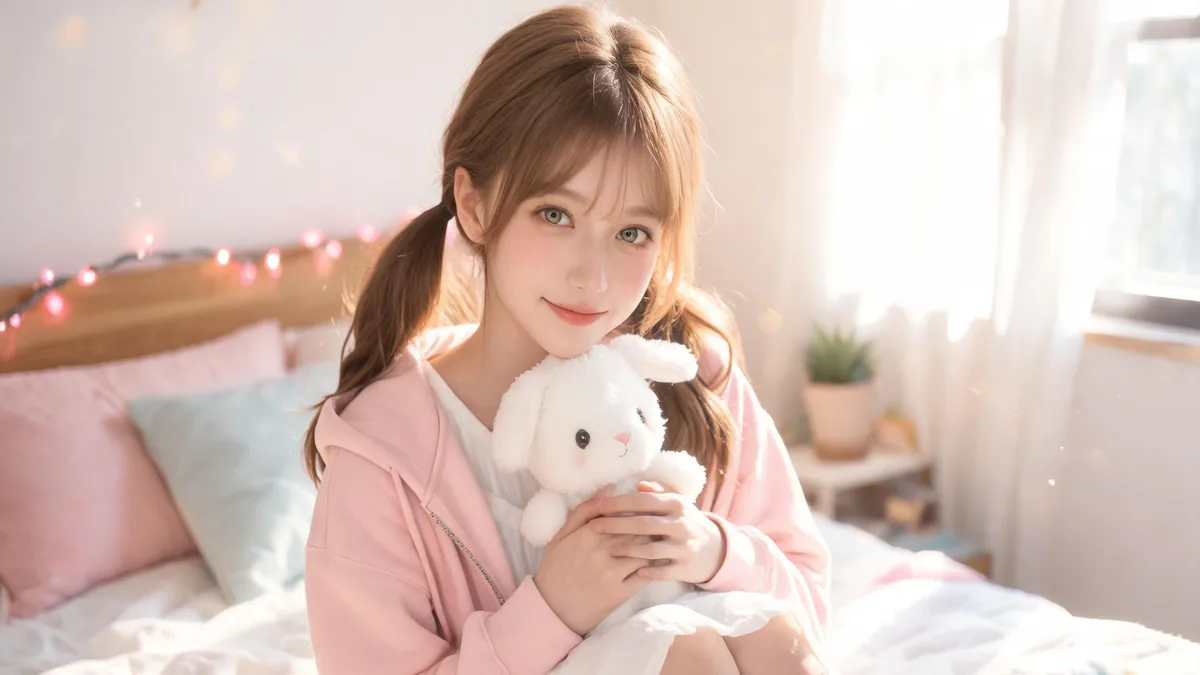
Moe is a warm, protective feeling you get for a really cute, endearing fictional character. It's not romance and it's not a crush. It's that "I just want to look after her" feeling when a shy, clumsy, or earnest character does something adorable. The word is Japanese, written 萌え, and it literally means "to bud" or "to sprout," like a feeling that quietly blooms inside you.
Key Takeaways
- Moe is the warm, protective feeling you have for a really cute, endearing character.
- The word is Japanese (萌え) and literally means "to bud" or "to sprout."
- Anime fans started using it in the late 1990s. Western fans caught on by the mid-2000s.
- It's the feeling, the style of character design, and a whole genre of slice-of-life anime, all at once.
| Pronunciation | MOH-eh (萌え), noun |
|---|---|
| Origin language | Japanese (萌え, from 萌える, "to bud, to sprout") |
| Literal sense | "To bud" or "to sprout," used as slang for a warm, protective affection |
| First popularized | Japanese anime fans, late 1990s. Mainstream in the West by the mid-2000s. |
| Category | Anime fandom feeling and style |
| Core trait | Deep affection for a really cute, endearing character |
| Related types | Kawaii, Dandere, Tsundere, Cute |
Etymology and Origin
The word comes from the Japanese verb moeru (萌える), which means "to bud" or "to sprout." Think of a tiny green shoot pushing up out of the soil. That's the literal image. Fans took that and used it as slang for a feeling that quietly grows inside you when you see a character who's just too cute to handle.
Japanese anime fans online started throwing the word around in the late 1990s. By the early 2000s it was everywhere in anime forums, fan magazines, and doujin culture. Western fans picked it up in the mid-2000s, mostly through subtitled anime, message boards, and convention culture. By the late 2000s, "moe" was a word every serious anime fan knew, even if it was tough to translate cleanly into English.

Defining Traits
Moe is partly a feeling and partly a set of character cues writers use to trigger that feeling. The usual signals look like this:
- Sweet character types: shy, clumsy, earnest, a little helpless. The kind of person you instinctively want to look out for.
- Small, soft features: big expressive eyes, a soft voice, gentle body language, a blush that shows up at the smallest thing.
- Gentle personality: kind, well-meaning, a little anxious, always trying her best even when she trips over her own feet.
- A protective pull: the feeling isn't really romantic. It's more like wanting to keep her safe and cheer her on.
- Slice-of-life vibes: the type shows up most in cute, low-stakes anime about friends doing small everyday things together.
How to Recognize Moe (in Fiction)
Writers and character designers lean on a familiar toolkit when they want a character to land as moe. Watch for these cues:
- A small, soft body and big expressive eyes.
- A shy voice that gets quieter when she's nervous.
- Little stumbles and clumsy moments played for warmth, not laughs at her expense.
- Earnest effort, the kind where she's clearly trying her hardest even at small things.
- A quick blush or a tiny smile that breaks through after a tough moment.
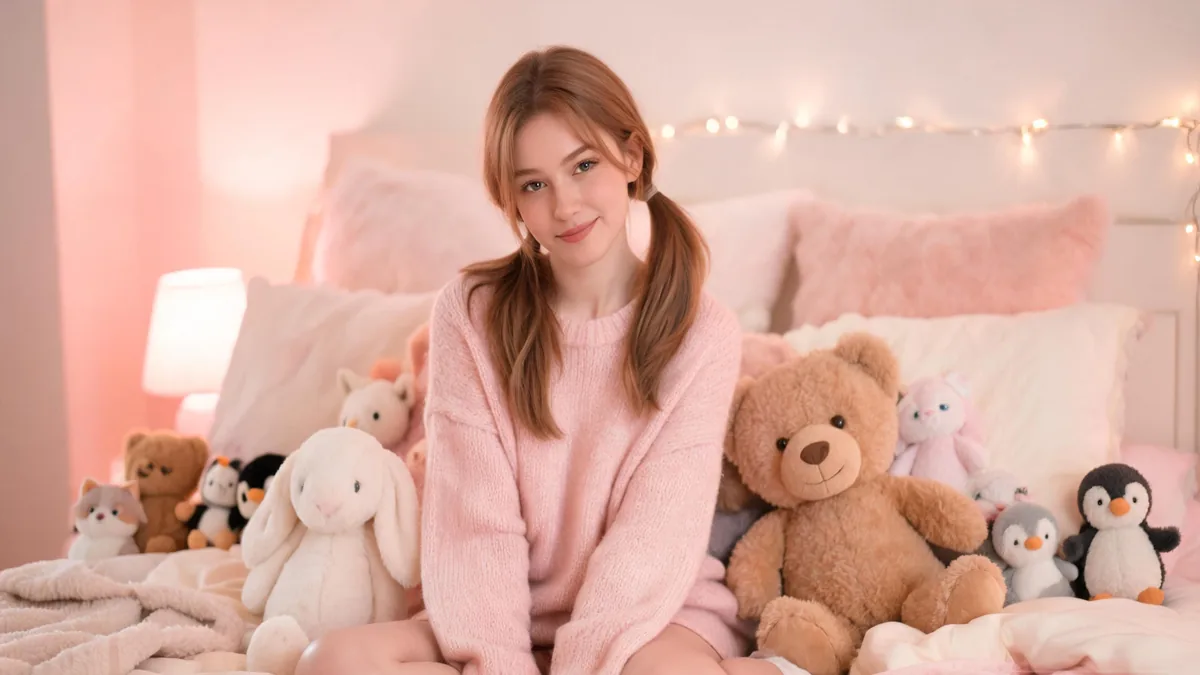
- A specific "hook": maybe she wears glasses, or loves cats, or always carries a plushie. One detail that fans latch onto.
These are storytelling cues, not a checklist for real people. Moe is a fictional feeling, and these are the tools writers use to summon it on the page.
How Moe Shows Up in a Scene
The feeling usually lands in tiny, quiet moments rather than big dramatic ones. Some classic examples:
- A shy character finally working up the nerve to say "thank you," then going bright red.
- The clumsy one tripping over nothing, then bouncing back with a determined little nod.
- An earnest kid practicing the same thing over and over so she can show it to her friends.
- The soft-spoken big sister type quietly bringing tea to everyone without being asked.
The pattern is small actions that make you go "aww." That's moe in motion.
How It Changed Over Time
Early on, moe was a niche fan word for a feeling that didn't have a name yet. By the late 2000s it was the engine behind a whole wave of slice-of-life anime built around cute girls doing cute things. K-On! (2009) was the breakout hit and basically set the template: a small cast of gentle, endearing friends, very little plot, lots of warm everyday moments. After that, "moe anime" became its own recognized genre.
The boom also brought pushback. Fans started arguing about "moe overload," meaning shows that leaned so hard on the feeling that nothing else was going on. Those debates shaped the next generation of anime, where moe became one tool in the toolbox instead of the whole show. Today moe is a stable, mainstream part of anime culture, and its influence reaches well beyond Japan. It shows up in mobile games, in companion design, and in the way a lot of cute characters get drawn online.
Types of Moe
One word, a few different jobs. Fans usually split it like this:
By what the word is doing
- Moe as a feeling: the original sense. The warm, protective affection you feel for a character. "She's so moe."
- Moe as a style: the cute character design that's built to trigger that feeling. Big eyes, soft palette, gentle body language.
- Moe as a genre: the slice-of-life shows built around the style and the feeling. K-On! is the poster child.
Specific moe "points"
Fans also use the word with a tag attached to mean "I find this specific thing really endearing." A few common ones:
- Megane moe: a soft spot for characters in glasses.
- Neko moe: the cat-girl version, with ears and a tail.
- Imouto moe: the little-sister type.
- Tsundere moe, dandere moe, and so on: the feeling attached to a specific personality flavor.
Famous Examples
- K-On! (2009): the slice-of-life show that set the template for moe anime. A tight little friend group, very little drama, lots of warm everyday moments.
- Lucky Star (2007): an earlier hit built around cute characters chatting about anime, manga, and snacks. A big driver of the late-2000s moe wave.
- Yuru Camp (2018): the modern version. Soft-spoken friends camping in pretty places. Pure moe comfort viewing.
- A Channel and Non Non Biyori: two more shows fans point to when they're describing the feeling.
Famous moe-style character types: the clumsy shy girl who keeps tripping over her words, the earnest kid who tries her hardest at everything, and the soft-spoken big sister who quietly takes care of everyone around her.
Is Moe the Same as Cute?
Not quite, and the difference matters.
Cute is the surface. Moe is the deeper feeling. Cute is a property of the character. A kitten is cute. A puppy is cute. A character with big eyes and a soft voice is cute. Moe is what you feel when a character is so endearing that you want to protect her. The moment a shy character finally smiles can be moe. The moment a clumsy one finally gets something right can be moe.
Put differently: all moe characters are cute, but cute alone isn't always moe. Moe needs that extra protective pull. If you just go "aww, that's cute" and move on, it's cute. If your heart does a little flip and you want to keep her safe forever, that's moe.
Moe in Games and Wider Media
Anime named the feeling, but games and other media spread it everywhere.
- Mobile and gacha games: a huge slice of the gacha market runs on moe character design. Every soft-spoken healer in glasses is doing its job.
- Visual novels and dating sims: moe heroines are a staple. The whole genre owes a lot to the feeling.
- Idol franchises: Love Live, Idolmaster, and friends are built on moe principles, from the character designs to the storylines.
The "moe overload" debate also lives here. Fans argue about whether some shows or games lean on the feeling at the expense of having anything else going on. It's a real conversation in anime communities, and it's part of how the wider style keeps evolving.
Moe vs Related Words
| Word | What it points at | Core feeling |
|---|---|---|
| Moe | Your feeling for the character | Warm, protective affection |
| Kawaii | A property of the thing | "This is cute" (general) |
| Cute | A property of the thing | Pleasing, charming, appealing |
| Adorable | A property of the thing | Cute with an extra bit of pull on the heart |
Can a Male Character Be Moe?
Yes. Most of the famous examples are female, but the feeling isn't tied to any gender. Shy, earnest, gentle boys in anime get the same reaction from fans. There's even a specific tag for it, sometimes called "boys' moe" or grouped under styles like the soft, slightly androgynous "shota" type and the gentler male leads in slice-of-life shows. If a character is endearing enough that you want to protect him, the feeling lands the same way.
The Appeal (and the Nuance)
Why people love it: moe gives you a low-stakes, warm feeling in a world that often has way too many stakes. It's comfort viewing in character form. The protective pull is a kind one. You're rooting for someone, hoping she gets the small win, smiling when she finally does.
The nuance: moe is a fictional feeling. It works because the character is made to be endearing. That's not a model for real people, and it's not a substitute for caring about real friends and family. The best moe writing knows this. It uses the feeling to make you care, then gives the character her own life, her own opinions, her own small victories. That's why the type has lasted.
Moe in AI Companions
As an AI companion type, a moe character leans into all of this: a shy, gentle, endearing personality, soft voice, an earnest streak, and that small set of cute habits that make her feel real. With AI, you get the warm protective pull of the feeling in a safe, fictional space that you control. If a sweet, endearing companion sounds like your thing, try our Anime AI chat, or create an AI girlfriend with the look, voice, and personality that fit the feeling for you.

Frequently Asked Questions
What does moe mean?▾
Moe is the warm, protective feeling you get for a really cute, endearing fictional character. It's not romance and it's not a crush. It's that 'I want to look after her' pull when a shy or clumsy character does something adorable.
Where did moe come from?▾
The word is Japanese (萌え), from the verb 'to bud' or 'to sprout.' Anime fans online started using it as slang in the late 1990s, and it went mainstream in Western fan circles by the mid-2000s.
Is moe the same as kawaii?▾
Not quite. Kawaii is a property of the thing, like saying 'this is cute.' Moe is what you feel for the character. All moe characters are cute, but cute alone isn't always moe. Moe needs that extra protective pull.
Why do people find moe characters appealing?▾
They're comfort viewing in character form. The shy, earnest, gentle traits invite you to root for the character, and the small wins feel warm in a low-stakes way. It's a kind, protective fantasy rather than a dramatic one.
What's the most famous moe anime?▾
K-On! (2009) is the one most fans point to. It basically set the template for moe slice-of-life: a small group of gentle, endearing friends, very little plot, lots of warm everyday moments. Lucky Star and Yuru Camp are also classics.
Can a male character be moe?▾
Yes. Most famous examples are female, but the feeling isn't tied to any gender. Shy, earnest, gentle boys in anime can trigger the same warm protective pull from fans.
Is moe still popular?▾
Yes. After the late-2000s boom, moe settled in as a stable part of anime culture. It's a tool writers and designers use all the time, and it's a big influence on mobile games, idol franchises, and companion design.
What's 'moe overload'?▾
It's a fan term for shows that lean so hard on the feeling that not much else is going on. The debate around 'moe overload' shaped how later anime balanced the style with real plot and character work.
Chat with our anime AI
Browse the companions on AIGirlfriends.ai who play this archetype with conviction.
Anime AI Chat →