
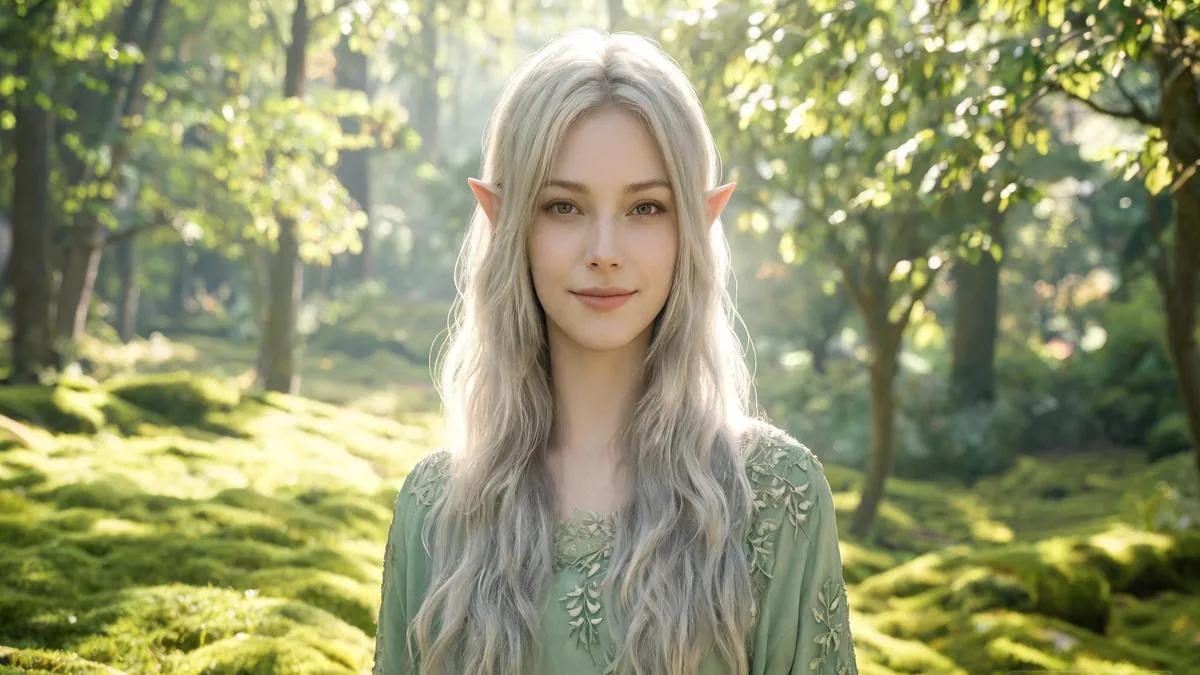
An elf is a tall, graceful, long-lived magical being with pointed ears. She lives in forests, hidden cities, or whole otherworldly realms. She's usually calm, wise, and good with a bow or a bit of magic. The word comes from Old English ælf, and the elves we picture today were shaped most of all by J. R. R. Tolkien in The Hobbit and The Lord of the Rings.
Key Takeaways
- An elf is a magical, human-shaped being with pointed ears, a long life, and a soft spot for nature and magic.
- The word comes from Old English ælf, with deep roots in Norse, Celtic, and English folklore.
- Modern fantasy elves (think Legolas and Galadriel) were largely reshaped by Tolkien from the 1930s onward.
- Elves and fairies share a family tree, but they're not the same: elves are tall and elegant, fairies are tiny and winged.
| Pronunciation | elf (plural: elves), noun |
|---|---|
| Origin language | Old English ælf, from Germanic mythology |
| Literal sense | A magical, otherworldly being |
| First popularized | Ancient myth and folklore; modern fantasy shape from Tolkien (1937 onward) |
| Category | Magical humanoid / fantasy being |
| Core trait | Long-lived, elegant, nature-tied magical humanoid with pointed ears |
| Related types | Fairy, Fae, Witch |
Etymology and Origin
The word elf comes from Old English ælf, which has cousins all over the Germanic language family. In Norse myth, elves are called alfar, and they're split into "light elves" and "dark elves," beautiful beings closer to gods than people. In Celtic folklore you get the sidhe (pronounced "shee"), the fairy folk of Ireland and Scotland who live in hidden mounds and are best not crossed. English fairy stories had their own elves too, sometimes tiny and mischievous, sometimes tall and dangerous.
The elves most people picture today came mostly from one person: J. R. R. Tolkien. He pulled threads from all of those old traditions and wove them into something new in The Hobbit (1937) and The Lord of the Rings (1954-55). His elves are tall, ageless, wise, and tied to nature and song. That picture is the one Dungeons & Dragons, video games, and most modern fantasy run with.
Defining Traits
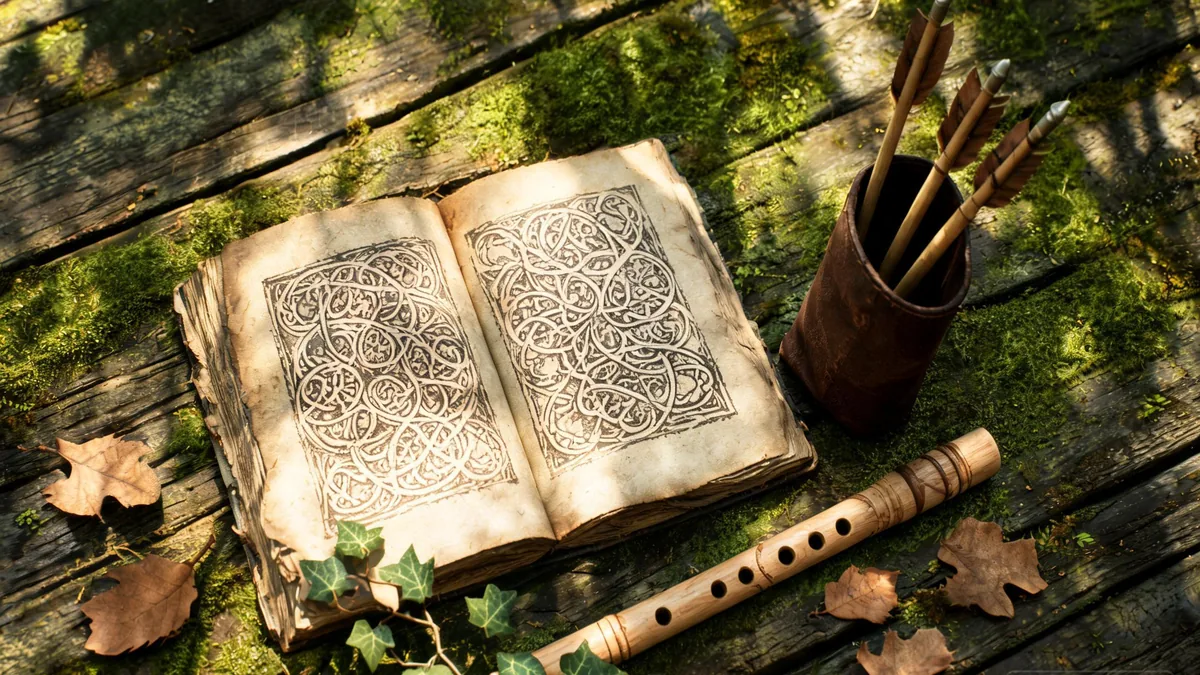
- Tall and graceful: slender, light on her feet, almost moves like she's dancing.
- Pointed ears: the signature look. If you see them, you know what she is.
- Long-lived or immortal: hundreds of years, sometimes forever. Time hits her differently.
- Tied to nature: forests, rivers, starlight, and old magic. That's her world.
- Skilled with weapons and spells: bows, swords, healing, enchantments. She's been practicing for centuries.
- Calm and wise: soft-spoken, thoughtful, sometimes a little distant from humans.
- High-fantasy beauty: long hair, ageless face, a kind of quiet glow.
How to Recognize an Elf (in Fiction)
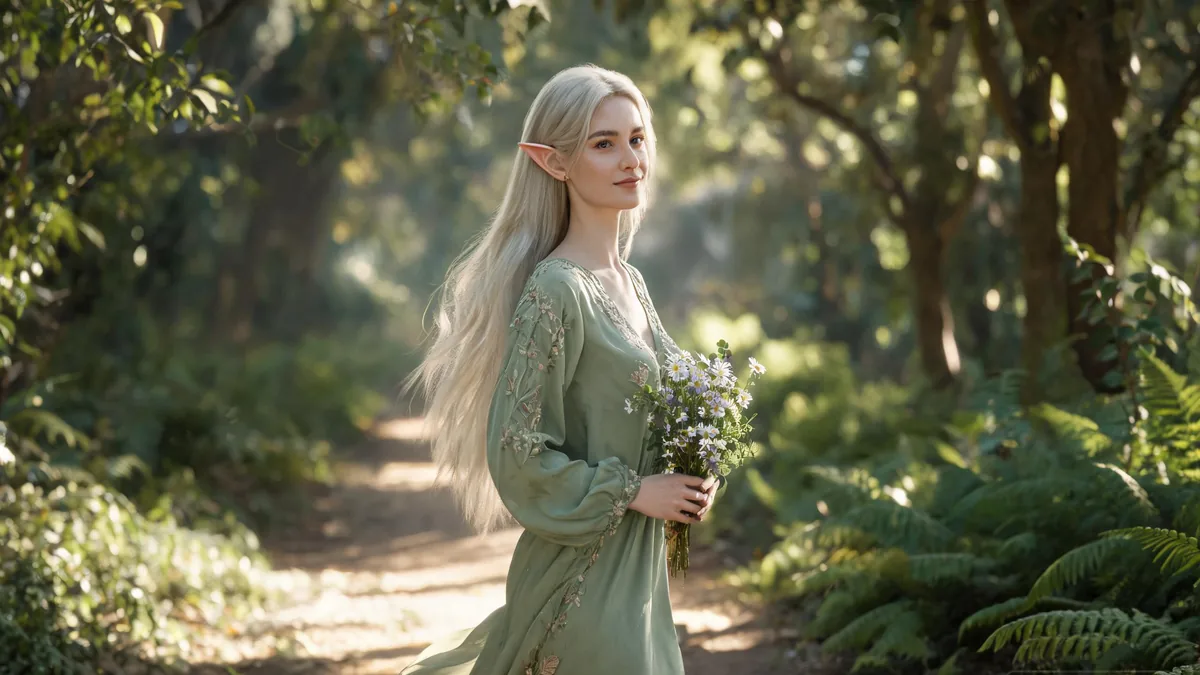
Writers lean on a familiar set of cues to mark a character as an elf. Watch for:
- Pointed ears, obviously.
- A long, slender build and very fluid movement.
- Long hair, often silver, gold, or dark.
- Speech that's a little more formal or poetic than the humans around her.
- Calm in a crisis. She's seen worse.
- A bow on her back, or a soft spell at her fingertips.
- References to her long life, or to people and places from way before the story.
These are storytelling shortcuts. Hit a few of them and the reader instantly knows: that one's an elf.
How an Elf Talks
Elf dialogue tends to sound a touch older and more careful than human speech. Think calm, lyrical, sometimes a bit cryptic:
- "The forest remembers. Even when we forget."
- "I have walked these woods since before your grandfather was born."
- "There is no need to rush. The stars have not moved."
- "Mortals burn brightly. That is what makes you beautiful."
The trick is the rhythm: slower, gentler, with a hint that she knows something you don't. That measured voice is half the appeal of the type.
How It Changed Over Time
Old folklore elves were all over the map. In Norse myth they were close to gods. In Celtic and English stories they could be tiny and playful, or tall and frightening. Cross one and you might lose a year of your life. Then Tolkien came along and locked in the shape most of us picture today: tall, immortal, wise, tied to forests and starlight. Dungeons & Dragons (from 1974) ran with that picture and added the splits we still use, like high elf, wood elf, and drow. Video games (Skyrim, Dragon Age, World of Warcraft) carried it to a huge global audience. Today "elf" almost always means the Tolkien-style fantasy elf, and the Christmas elf at the North Pole is treated as a totally separate thing.
Types of Elf
Fantasy writers usually sort elves a couple of different ways. Knowing which kind you're looking at is the difference between "an elf" and the specific kind of elf a story (or a companion) is built around.
By environment
- High elf: elegant, magical, often noble or aristocratic. Lives in grand cities or ancient kingdoms. Tolkien's classic elves are this kind.
- Wood elf: forest-dwelling, more wild and earthy, an amazing archer. Tolkien's Mirkwood elves are wood elves.
- Dark elf / Drow: lives underground in cave cities. Often shown as villains, sometimes as anti-heroes (Drizzt Do'Urden in D&D is the famous good-guy drow).
By role in stories
- Warrior elf: archer or swordfighter, the one in every battle scene. Legolas is the poster boy.
- Mage elf: spellcaster, healer, the wise one with the staff. Galadriel is the classic.
- Christmas elf: tiny worker at the North Pole, makes toys for Santa. Worth saying clearly: this is a totally different kind of elf, not the fantasy one. Same word, very different vibe.
Famous Examples
- Legolas (The Lord of the Rings): the warrior elf prince. Bow, braids, dry one-liners, the modern face of the wood elf.
- Arwen (The Lord of the Rings): the romantic elf, half-elven royal who gives up immortality for love.
- Galadriel (The Lord of the Rings): the wise elf queen of Lothlorien. Ancient, powerful, kind.
- Solas, Sera, and the Dalish Inquisitor (Dragon Age): the video game side of elf characters, complete with their own politics and lore.
- Drizzt Do'Urden (D&D Forgotten Realms): the most famous drow (dark elf), a hero who left his villainous people behind.
- Link (The Legend of Zelda): elf-like in the look, though officially he's a "Hylian." Fans still debate it.
Elves in Games and Wider Media
Books gave us the elf, but games and films are where most people meet her.
- The Lord of the Rings films and The Hobbit: Peter Jackson's movies basically taught a whole generation what an elf looks and sounds like.
- The Elder Scrolls (Skyrim, Morrowind, Oblivion): three big elf groups, the Bosmer (wood elves), Altmer (high elves), and Dunmer (dark elves), each with their own culture.
- Dragon Age series: elves with a rough history, treated as a full people with politics, religion, and class struggle.
- World of Warcraft: blood elves, night elves, void elves, you can play any of them.
- Dungeons & Dragons: the tabletop game that codified high elf, wood elf, and drow as playable choices.
What started in folktales and Tolkien's notebooks is now a permanent fixture of games, films, fan art, and companion design worldwide.
Elf vs Related Fantasy Types
| Type | Source | Core trait |
|---|---|---|
| Elf | Norse and Germanic myth, Tolkien fantasy | Long-lived, magical, pointed-eared humanoid |
| Fairy | Celtic folklore | Smaller magical being, often with wings |
| Fae / Sidhe | Irish and Scottish folklore | Otherworldly, tricky, dangerous to cross |
| Half-elf | Modern fantasy fiction | Half-elf, half-human; bridges the two worlds |
Are Elves the Same as Fairies?
They share roots in old European folklore, so they sometimes get mixed up. The big difference today: in modern fantasy, elves are usually tall, elegant, sword-wielding humanoids (think Legolas). Fairies are usually tiny, winged, more mischievous, more nature-spirit (think Tinkerbell). Same family tree, but very different by modern stories.
The Appeal (and the Nuance)
Why people love the type: elves hit a really specific fantasy. They're calm in a world that's loud. They're old, so they've seen things. They're tied to forests, stars, and magic. They're beautiful in a quiet, ageless way. For anyone who grew up on Tolkien, D&D, or high-fantasy games, the elf is a comfort character: graceful, wise, a little mysterious, deeply loyal once she lets you in.
The nuance: "elf" covers a lot of ground. A drow assassin and a Christmas helper are both technically elves, and they're nothing alike. When you're picking an elf character, the flavor (high, wood, dark, half-elf) matters more than the label.
The Elf in AI Companions
As an AI companion type, an elf is a partner with that high-fantasy calm: graceful, thoughtful, a little otherworldly, and quietly devoted. She remembers everything (centuries of memory will do that), she speaks in that slower, gentler rhythm, and she's right at home talking about forests, stars, or old stories. With AI, you get the full elf vibe in a world you control. If a wise, graceful fantasy partner sounds like your thing, browse our Elf AI girlfriend collection, or create an AI girlfriend from scratch with the look, voice, and personality that fit you.

Frequently Asked Questions
What is an elf?▾
An elf is a tall, graceful, long-lived magical being with pointed ears. She's usually tied to nature, good with a bow or a bit of magic, and calm in a way that comes from living a very long time.
Where do elves come from in mythology?▾
Old European folklore. Norse myth has the alfar (light and dark elves), Celtic stories have the sidhe (fairy folk of Ireland and Scotland), and English fairy tales had their own elves too. The modern fantasy shape was set by Tolkien in the 1930s to 50s.
Are elves the same as fairies?▾
They share old folklore roots, so they sometimes get mixed up. Today, elves are usually tall, elegant, sword-wielding humanoids (think Legolas). Fairies are usually tiny, winged, and mischievous (think Tinkerbell). Same family tree, different branches.
What's the difference between a high elf and a wood elf?▾
High elves are the elegant, magical, often noble type who live in grand cities. Wood elves are forest-dwelling, more wild and earthy, and amazing with a bow. Both are Tolkien-style elves; they're just different flavors of it.
Who created the modern fantasy elf?▾
J. R. R. Tolkien did most of the work. Elves existed in old myth long before him, but his books (The Hobbit, 1937, and The Lord of the Rings, 1954-55) locked in the tall, immortal, wise, nature-tied elf almost every modern game and story uses.
Why do elves live so long?▾
It's a fantasy choice, not a real rule. Writers give elves long lifespans (or full immortality) to make them feel ancient and wise. It's also why elf characters often sound calm and a little detached: they've seen a lot of history.
Are Christmas elves the same kind of elf?▾
No. Christmas elves are tiny workers at the North Pole who make toys for Santa. Fantasy elves are tall, magical, pointed-eared humanoids in the Tolkien tradition. Same word, totally different idea.
What's a half-elf?▾
Exactly what it sounds like: a character with one elf parent and one human parent. Half-elves usually live longer than humans but not as long as elves, and stories often use them to bridge the two worlds. Arwen and Elrond in The Lord of the Rings are the classic examples.
Meet our elf AI girlfriends
Browse the companions on AIGirlfriends.ai who play this archetype with conviction.
Elf AI Girlfriend →