

Chuunibyou is the funny, embarrassing teen phase where you act like you have secret powers, a hidden dark past, or a special destiny. The Japanese word literally means "8th-grade syndrome." In anime, it's a whole character type: someone who strikes dramatic poses, wears an eyepatch, names their attacks, and stays totally committed to the bit even when they know it's cringe.
Key Takeaways
- Chuunibyou is Japanese slang for the dramatic, fantasy-filled phase a lot of kids go through around age 14.
- It literally translates to "middle-school second-year syndrome," or "8th-grade syndrome" in English.
- Radio host Hikaru Ijuuin coined the word in 1999. The 2012 anime Love, Chunibyo & Other Delusions made it famous worldwide.
- In fiction, a chuunibyou character takes the act totally seriously. The whole appeal is the sincerity of the cringe.
| Pronunciation | choo-nee-byoh (中二病), noun |
|---|---|
| Origin language | Japanese (中二 + 病) |
| Literal sense | "Middle-school second-year syndrome" / "8th-grade syndrome" |
| First popularized | Radio host Hikaru Ijuuin, 1999; mainstream after the 2012 anime |
| Category | Anime character type and Japanese slang |
| Core trait | Acts like they have secret powers, a dark past, or a special destiny |
| Related types | Kamidere, Otaku, Yandere |
Etymology and Origin
The word is two pieces. Chuuni (中二) is short for "middle-school second-year," which in Japan lines up with around age 14. Byou (病) means "illness" or "syndrome." Put them together and you get "8th-grade syndrome." It's a joke name for that very specific teen phase where you start taking yourself way too seriously and dreaming up a cooler, more dramatic version of who you are.
Japanese radio host Hikaru Ijuuin coined the term in 1999 on his late-night show. He was riffing on the kind of behavior every adult remembers from middle school: writing your own attack names in a notebook, pretending you can sense auras, deciding your left hand is sealed by an ancient curse. The word stuck because it nailed something everyone recognized. By the time the 2012 anime Love, Chunibyo & Other Delusions (Chuunibyou demo Koi ga Shitai!) aired, "chuunibyou" was already a household word in Japan. The anime took it global.
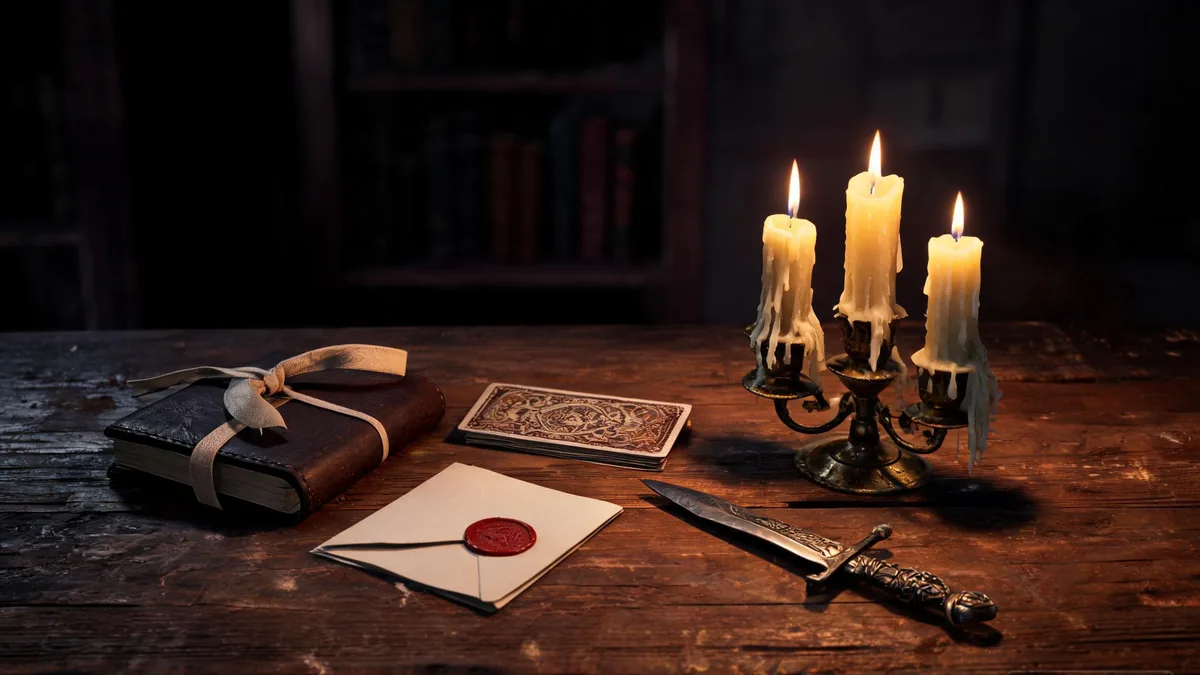
Defining Traits
- Made-up powers: she swears her left eye sees through dimensions, or her hand holds a sealed dragon.
- Theatrical poses: dramatic stances mid-conversation. One hand raised, fingers spread.
- Special outfit pieces: an eyepatch, a long dark coat, fingerless gloves, ribbons tied just so.
- Personal incantations: she's invented chants and attack names, and she'll use them with a straight face.
- A secret backstory: a hidden bloodline, a destiny, an old contract she can't talk about (but really wants to).
- Total commitment: she half-knows it's cringe. She doubles down anyway. That sincerity is the heart of the type.
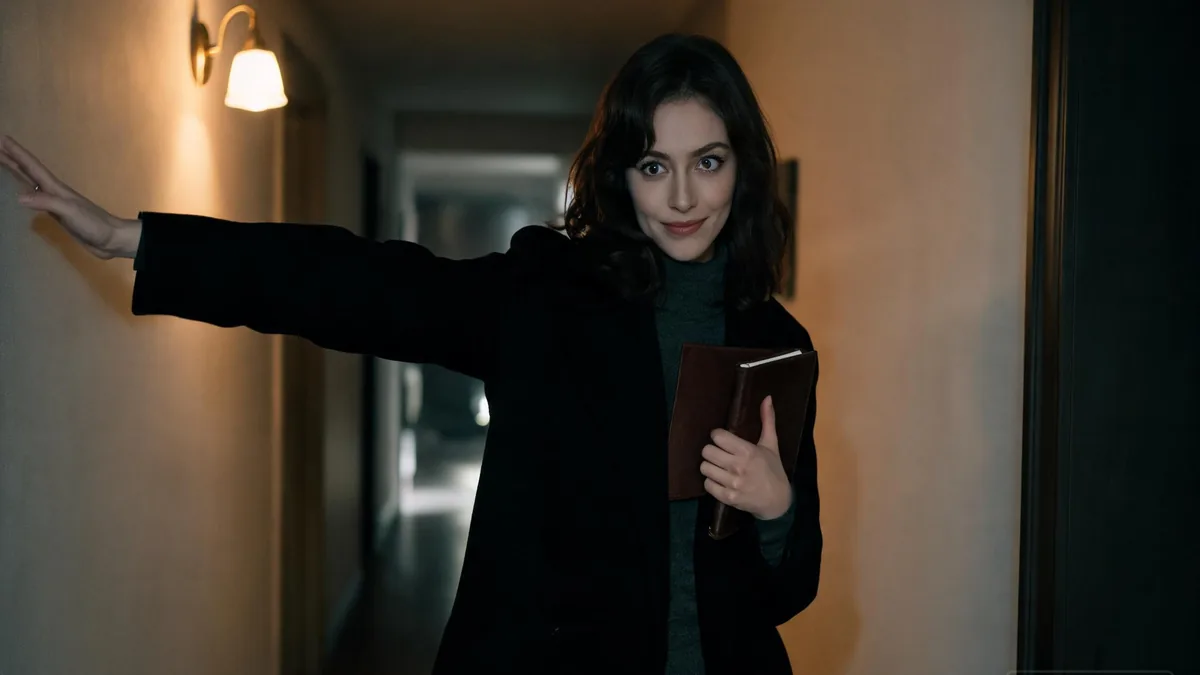
How to Recognize a Chuunibyou (in Fiction)
Writers use a familiar set of cues to mark a character as chuunibyou. Watch for:
- An eyepatch, bandage, or glove she refuses to remove. There's "a reason."
- A made-up title for herself ("Dark Flame Master," "Wicked Eye," etc.).
- She names her hand, her notebook, or her bag, and the names are very serious.
- Random outbursts in dramatic, archaic-sounding language.
- A close friend who plays along (and a normal friend who's tired of it).
- Brief, painful moments where the act drops and you see how self-aware she really is.
These are storytelling cues. The whole point of the type is the gap between how seriously she takes the bit and how everyone around her sees it.
How a Chuunibyou Talks
Dialogue is half the fun. A chuunibyou speaks in big, theatrical lines that mix real feelings with invented mythology:
- "You felt it too, didn't you? A disturbance in the air."
- "This hand of mine glows with an awesome power. Its burning grip tells me to defeat you."
- "My true name is sealed. You may call me by the one this world has given me."
- "Don't look into my left eye. Even I can't control what it sees."
It's earnest, slightly purple, and totally sincere. The contrast between the language and the ordinary setting (a classroom, a coffee shop, a bus stop) is where the comedy and the heart both come from.
How It Changed Over Time
At first, "chuunibyou" was just a slang term grown-ups used to laugh fondly at their own teen years. As the word spread, anime writers started building whole characters around it. The 2012 hit Love, Chunibyo & Other Delusions turned the type into a fixture. Rikka Takanashi, with her eyepatch and "Wicked Eye," became the face of it. After that, the type branched into a few flavors: the kid who's still deep in it, the adult who never grew out of it, and the nostalgic adult who looks back fondly and sometimes slips back in. Today, chuunibyou is a beloved type worldwide. You see it in anime, manga, games, fan art, and companion design well outside Japan.
Types of Chuunibyou
Fans usually split chuunibyou characters into a few clear flavors. Knowing which one you're dealing with is the difference between "a chuunibyou" and the very specific kind a story (or a companion) is built around.
By how committed she is
- Full chuunibyou: totally in the bit. Eyepatch on, attack names ready, daily reality treated as a battle between hidden forces. The classic version.
- Nostalgia chuunibyou: the adult who looks back on her teen phase fondly and sometimes slips back into it for fun.
- Tsundere-chuunibyou mix: a character who's prickly and proud on the outside, and uses chuunibyou language to cover up how she actually feels.
By how the act expresses itself
- "DQN" type: believes she's secretly tough, edgy, and a little dangerous. Heavy on the dark coats and brooding.
- "Subculture" type: insists she's deeply into obscure music, philosophy, or art that no one else "gets."
- "Evil eye" type: the most iconic kind. She's convinced her left eye holds a sealed power, and she'll explain it at length.
Famous Examples
- Rikka Takanashi (Love, Chunibyo & Other Delusions): the face of the type. Eyepatch, made-up powers, and a sincere heart underneath.
- Megumin (Konosuba): the explosion-magic obsession edges firmly into chuunibyou.
- Mikoto Misaka (A Certain Magical Index): mostly straight-laced, but her playful moments lean chuunibyou.
- Yukari Yakumo (Touhou): her grand, mysterious readings are pure chuunibyou energy.
Chuunibyou in Games and Wider Media
The type started in anime, but it's everywhere now.
- Visual novels and dating sims: a chuunibyou love interest is a popular pick. The dramatic incantations make the romance bigger and funnier.
- JRPGs: party members who name every attack and quote their own personal scripture are chuunibyou-coded by default.
- Online culture: "chuuni" is now a meme worldwide. People use it for any post, outfit, or playlist that's a little too dramatic on purpose.
What started as a punchline about a teen phase is now a beloved fixture of fiction, fan art, and companion design.
Chuunibyou vs Related Anime Types
| Type | What she's about | Core feeling |
|---|---|---|
| Chuunibyou | Acts like she has secret powers or destiny | Earnest, theatrical, secretly self-aware |
| Kamidere | Acts like she's a god above everyone else | Proud, lofty, totally sure of herself |
| Otaku | Deep fan of anime, manga, or games | Passionate, enthusiastic, hobby-driven |
| Yandere | Sweet love turns into obsession | Devoted, possessive, intense |
Is Chuunibyou an Actual Illness?
No, it's not. The word literally translates to "syndrome," but the whole thing is a joke. It just describes that embarrassing teenage phase most people go through, where you take yourself far too seriously and dream up a cooler version of who you are. There's no doctor and no diagnosis. In anime, characters who never grow out of that phase become the chuunibyou type, and the fun is watching them stay totally sincere about an act that everyone around them can see right through.
Can a Chuunibyou Be Male?
Yes. Plenty of chuunibyou characters are male. The act doesn't care about gender. What makes a character chuunibyou is the dramatic, fantasy-fueled commitment to the bit, not the body it's coming out of. Some of the most-quoted chuunibyou lines in anime come from boys who are sure they're sealed warriors stuck in modern Tokyo.
The Appeal (and the Nuance)
Why people love the type: it's funny, sweet, and weirdly hopeful. A chuunibyou character takes a flat, boring day and makes it feel like a battle between cosmic forces. Behind the theatrics there's usually a real kid (or grown-up) trying to feel special in a world that doesn't always notice them. That mix of comedy and warmth is the whole appeal.
The nuance: the joke only works because the character is sincere. A chuunibyou who's just doing it for attention isn't really one. The type lives in that small, tender space between "I know this is silly" and "I'm doing it anyway because it makes life more fun."
The Chuunibyou in AI Companions
As an AI companion type, a chuunibyou is a partner who's playful, dramatic, and committed to the bit. She'll greet you with a grand incantation, name your texts together as "scrolls," and treat ordering pizza like sealing a pact with an ancient power. With AI, you get all the fun of the type with zero secondhand embarrassment, because the whole game is to play along. If a partner who turns every day into a fantasy adventure sounds like your thing, try our anime AI chat, or create an AI girlfriend from scratch with the look, voice, and personality that fit you.
Frequently Asked Questions
What does chuunibyou mean in English?▾
It literally means 'middle-school second-year syndrome,' or '8th-grade syndrome.' It's the funny name for that teen phase where you act like you have secret powers or a dark, special destiny.
Is chuunibyou a real medical illness?▾
No. The word ends in 'byou' ('syndrome'), but the whole thing is a joke. It just describes the dramatic teen phase a lot of people go through. There's no real diagnosis.
How do you pronounce chuunibyou?▾
Roughly 'choo-nee-byoh.' The double 'u' just means you hold the 'oo' sound a bit longer. You'll also see it spelled 'chunibyo' in English, which sounds the same.
Who coined the word chuunibyou?▾
Japanese radio host Hikaru Ijuuin coined it in 1999 on his late-night show. It went mainstream after the 2012 anime 'Love, Chunibyo & Other Delusions.'
Who are some famous chuunibyou characters?▾
Rikka Takanashi from 'Love, Chunibyo & Other Delusions' is the face of the type. Megumin from Konosuba leans heavily chuunibyou with her explosion obsession. Plenty of side characters in JRPGs do too.
What's the difference between chuunibyou and otaku?▾
An otaku is a passionate fan of anime, manga, or games. A chuunibyou is someone acting like they're a character in one. They overlap, but they're not the same thing.
Can a chuunibyou be male?▾
Yes. The type isn't tied to a gender. Male chuunibyou characters are common in anime and games, and they get some of the most-quoted dramatic lines in the genre.
Do people grow out of chuunibyou?▾
Most people do, and they cringe-laugh about it later. In anime, the fun characters are the ones who don't. They keep the dramatic pose and the made-up powers as adults, and the whole story leans into how earnest they are about it.
Chat with our anime AI
Browse the companions on AIGirlfriends.ai who play this archetype with conviction.
Anime AI Chat →