
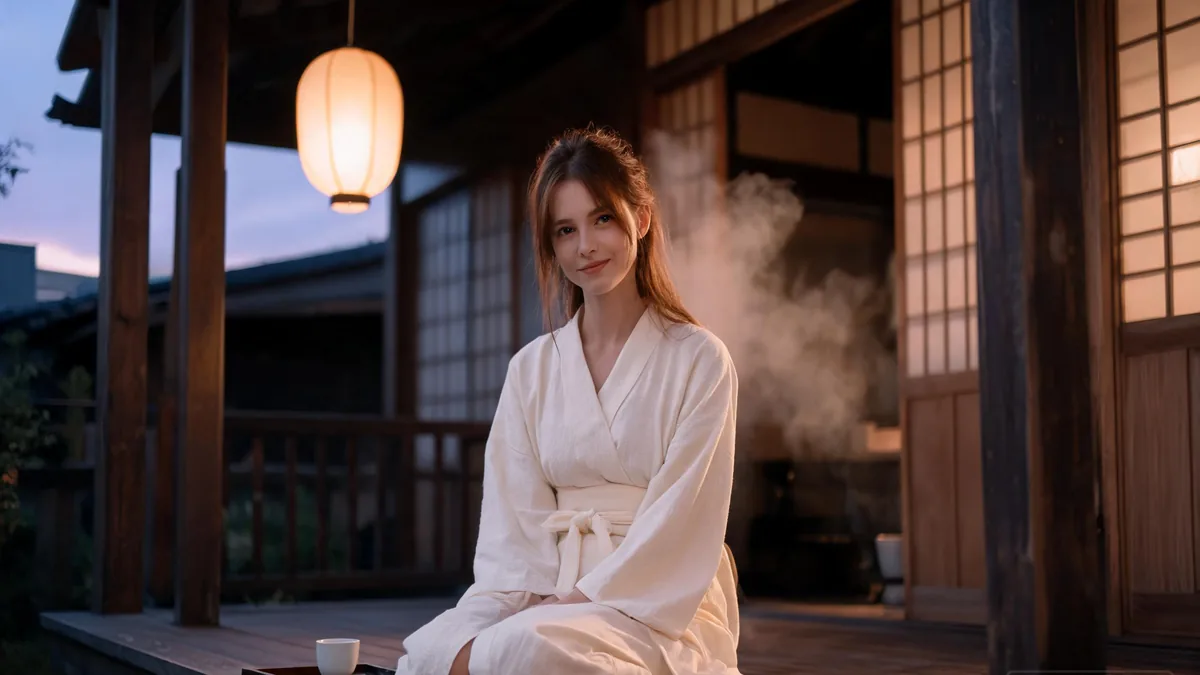
A hot spring episode is an anime episode set at a traditional Japanese hot spring inn. The cast checks into a ryokan, soaks in an outdoor bath, lounges in yukata robes, eats a fancy multi-course dinner, and gets into the kind of small, cozy moments you only get on a trip. The Japanese word for the bath itself is onsen (温泉). It's one of the most beloved settings in anime, and pretty much every long-running series eventually does one.
Key Takeaways
- A hot spring episode is an anime episode where the cast visits a traditional onsen inn.
- It's basically a vacation episode with a Japanese twist: yukata robes, wooden tubs, mist, and a quiet, cozy mood.
- The trope has been in anime since the early days. It really took off in the 1990s with the rise of harem and slice-of-life shows.
- Common beats include split boys' and girls' baths, "no peeking" gags, late-night talks in the bath, and one big group dinner.
| Pronunciation | HAHT SPRING EP-ih-sohd, noun |
|---|---|
| Japanese term | 温泉 (onsen), hot spring |
| Literal sense | An anime episode set at a hot spring inn |
| First popularized | An anime tradition since the early days, with the modern trope settling in during the 1990s |
| Category | Anime trope |
| Core trait | An episode of an anime spent at a hot spring inn, usually a traditional ryokan |
| Related tropes | Beach episode, fanservice, school festival, training-camp episode |
Etymology and Origin
"Hot spring episode" is just the English fan name for the trope. The Japanese word at the heart of it is onsen (温泉), meaning a natural hot spring. Onsen culture is a real, deeply loved Japanese tradition, with thousands of inns across the country built around volcanic spring water. People go to soak, eat, and rest, and they've been doing it for centuries.
Because the onsen is such a familiar, comforting setting in real Japanese life, it slid into anime almost as soon as anime existed. The modern version of the trope, with its very recognizable rhythm and gags, locked in during the 1990s. Harem shows, romantic comedies, and slice-of-life series all reached for it as a way to take a break from the main plot, change the scenery, and let the cast just hang out together. By the 2000s a hot spring episode was almost a rite of passage for any series that ran long enough.
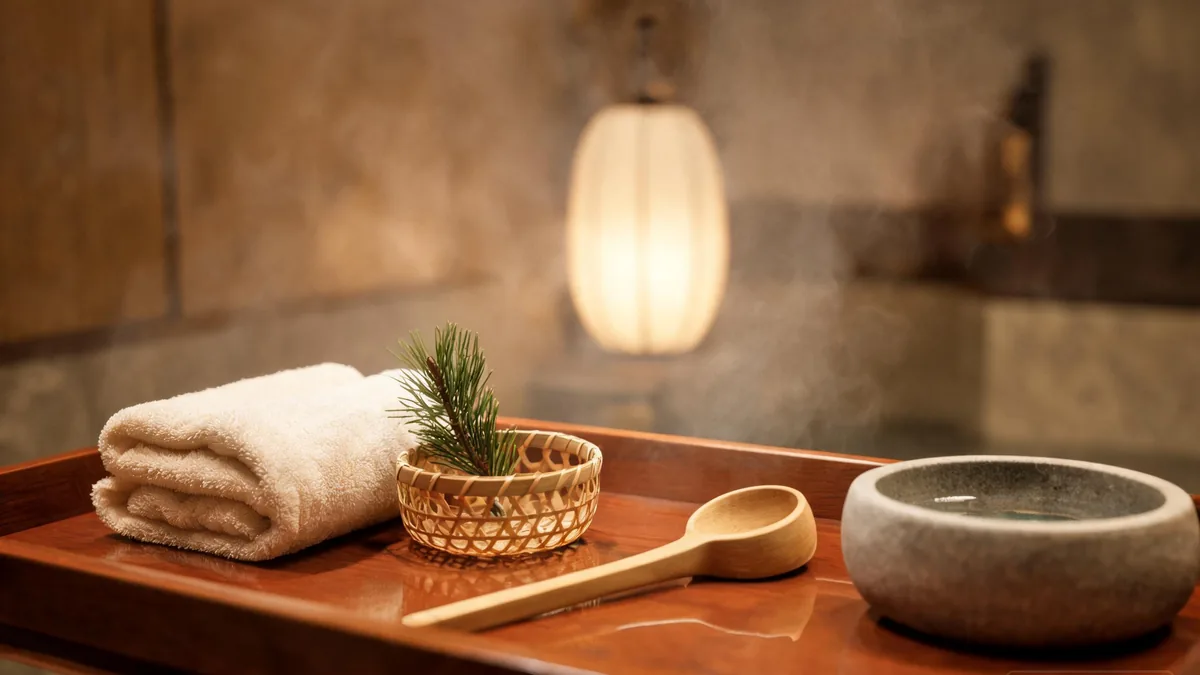
Defining Traits
- The ryokan: a traditional inn with tatami floors, sliding paper doors, and futons rolled out at night.
- Yukata: light cotton kimonos everyone wears around the inn after the bath.
- Wooden tubs and stone baths: outdoor rotenburo baths with steam curling off the surface.
- Split baths: a men's side and a women's side, usually with a tall fence in between (and someone trying to peek over it for laughs).
- Kaiseki dinner: a big multi-course meal of small dishes, served at low tables.
- Quiet, late-night talks: two characters in the bath, mist everywhere, and finally saying the thing they've been holding back all season.
How to Recognize a Hot Spring Episode
You can usually tell within the first minute. Look for:
- A bus or train pulling up at a sleepy mountain town.
- A friendly old innkeeper bowing in the doorway.
- Everyone changing into yukata in their rooms.
- A long, dreamy shot of steam rising off an outdoor bath.
- The boys getting caught trying (or being accused of trying) to peek over the wall.
- A big group dinner where someone drinks too much sake.
- A quiet, one-on-one bath scene late at night, often the emotional high point of the trip.
If three or more of those show up in a row, you're in a hot spring episode.
The Mood
The mood of a hot spring episode is the whole point. Everything slows down. The lighting goes warm and soft. The music drops out for the sound of water and crickets. Characters who spend the rest of the show being loud or guarded get to be quiet and honest for once. That's why writers love the setting. It gives them a built-in reason for the cast to relax, open up, and say things they wouldn't say at school or on the job. A lot of confessions, friendships, and turning points in long-running anime happen in a hot spring.
How It Changed Over Time
Early hot spring episodes were pretty simple. A class trip, a few gags, back to the regular plot next week. Once harem comedies took off in the 1990s and 2000s, the episode grew into a bigger deal: a chance to put every girl in the cast in a yukata, ramp up the fanservice, and squeeze in some real emotional beats. Slice-of-life shows pulled it in a softer direction, leaning into mood and friendship instead of jokes. Sports and idol anime use it as a training-camp reset. Horror anime took the same setting and made ghost stories out of it (an empty bath at 3 a.m. is a perfect haunted location). Today the hot spring episode is its own little tradition, with versions for almost every genre, including the male fanservice version made famous by shows like Free!.
Types of Hot Spring Episode
Most hot spring episodes fall into one of a few familiar shapes. Knowing the shape helps you guess what's coming next.
By the reason for the trip
- Vacation hot spring episode: the cast takes a trip together, usually as a reward or a break between big arcs.
- School-trip hot spring episode: the class goes on a field trip to an onsen town, with the teacher trying to keep order.
- Training-camp hot spring episode: a sports or idol team uses the inn as a base, with the bath as the after-practice reward.
By the tone
- Comedy hot spring: chaos at the bath, peeking gags, slipping on wet floors, sake-fueled karaoke.
- Romantic hot spring: a quiet two-person scene, a confession, the season's emotional payoff.
- Slice-of-life hot spring: soft pace, pretty visuals, just enjoying the trip with the cast.
- Supernatural hot spring: a ghost story while bathing, a haunted inn, or a yokai showing up in the bath. A staple of horror anime.
Famous Hot Spring Episodes
- Love Hina: the inn at the center of the show is basically a permanent hot spring episode, with the formal version showing up over and over.
- The Melancholy of Haruhi Suzumiya: the SOS Brigade hits an onsen and the episode became a fan favorite.
- K-On!: the light music club has classic, very cozy onsen scenes.
- Lucky Star: a textbook comedic version, full of friendship gags.
- Negima: a long-running series with multiple onsen episodes across its run.
- Free!: the well-known male fanservice version, with the boys' swim team at the bath.
The Beats You'll See Every Time
If you watch enough of these, the structure starts to feel like a recipe. A typical hot spring episode usually hits most of these beats:
- Arrival at the inn, friendly innkeeper, big "wow" reaction to the rooms.
- Everyone changes into yukata. Someone ties theirs wrong.
- Split bath scene, with a wall gag dividing the boys and girls.
- Kaiseki dinner, with one character trying every dish and another being picky.
- Sake or beer at dinner, a tipsy moment, a silly confession.
- A late-night, one-on-one scene in the bath. The real heart of the episode.
- Morning, a soft goodbye to the innkeeper, and back on the bus.
What's the Difference Between Beach and Hot Spring Episodes?
They're cousins. Both are vacation episodes that get the cast out of their usual setting, but the vibe is really different.
| Beach Episode | Hot Spring Episode | |
|---|---|---|
| Season | Summer | Often autumn or winter |
| Energy | Loud, rowdy, energetic | Cozy, quiet, contemplative |
| Outfits | Swimsuits | Yukata after the bath |
| Setting | Sand, ocean, sun | Wooden tubs, mist, lantern light |
| Activities | Volleyball, watermelon, fireworks | Soaking, kaiseki dinner, late-night talks |
| Feels | Young and playful | Grown-up and reflective |
Lots of shows do both, one near the start of summer and one a few arcs later. They're the two halves of the anime vacation tradition.
The Hot Spring Episode in AI Companions
The hot spring episode works so well because of the mood: warm light, quiet voices, a person you care about right next to you. That same mood translates well to an AI companion chat. A roleplay set at an onsen gives the conversation a setting, a pace, and a reason to slow down. You're checking into the inn, asking what she wants for dinner, talking quietly while the steam rises. If that sounds like your thing, try our anime AI chat, or create an AI girlfriend from scratch and run your own hot spring trip together.
Frequently Asked Questions
What is a hot spring episode in anime?▾
It's an episode where the cast visits a traditional Japanese hot spring inn. They soak in an outdoor bath, wear yukata robes, eat a big multi-course dinner, and have the kind of cozy, low-stakes moments you only get on a trip.
What is an onsen?▾
An onsen (温泉) is a Japanese natural hot spring. It's also the word for the bathhouses and inns built around them. Going to an onsen is a real, very popular Japanese tradition, which is why the setting shows up in anime so often.
Why does almost every anime have a hot spring episode?▾
It's a built-in excuse to slow the plot down, change the scenery, and let the characters open up. Writers love it because the mood does half the work, and fans love it because it feels like a little vacation with the cast.
What's the difference between a hot spring episode and a beach episode?▾
A beach episode is loud, summery, and energetic, with swimsuits and group games. A hot spring episode is quieter and cozier, usually set in cooler weather, with yukata robes, wooden tubs, and warm food. Lots of shows do both, one each season.
What's a yukata?▾
A yukata is a light cotton kimono. Hot spring inns hand them out to guests to wear around the inn after the bath. In a hot spring episode, basically everyone is in one for most of the runtime.
What is kaiseki?▾
Kaiseki is a traditional multi-course Japanese dinner, with lots of small, seasonal dishes. It's the meal you usually get at a ryokan, and it's almost always the big group dinner scene in a hot spring episode.
Are there famous hot spring episodes?▾
Yes, lots. Love Hina is basically built around one. The Melancholy of Haruhi Suzumiya, K-On!, Lucky Star, and Negima all have well-known ones. Free! is the famous male-fanservice version with the boys' swim team.
What are the types of hot spring episodes?▾
The common shapes are vacation, school trip, and training camp by reason, and comedy, romantic, slice-of-life, or supernatural by tone. Horror anime often use an empty late-night bath as a ghost-story setting.
Chat with our anime AI
Browse the companions on AIGirlfriends.ai who play this archetype with conviction.
Anime AI Chat →