

A harem is an anime and manga genre where one main character is surrounded by several love interests, all of them sweet on the same person. Usually it's a guy with a bunch of girls falling for him, each one a different personality flavor. The stories are mostly comedic and romantic, and the main character almost never actually picks anyone. The word itself is much older than the genre. It comes from the Arabic harīm, meaning "forbidden" or "sacred."
Key Takeaways
- A harem is a story with one protagonist and multiple love interests competing for them.
- The word comes from Arabic harīm, "forbidden" or "sacred." The anime genre is a totally separate, much more recent thing.
- The anime harem genre took off in the late 1980s and 1990s, with shows like Urusei Yatsura and Tenchi Muyo.
- Each love interest is usually a different personality flavor (tsundere, kuudere, shy girl, bold girl), so there's someone for every fan.
| Pronunciation | HAIR-em or HAR-em, noun |
|---|---|
| Origin language | Arabic (harīm, "forbidden" or "sacred") |
| Literal sense | Originally "the women's quarters of a household." Now, in anime, "a story full of love interests." |
| First popularized | Anime and manga, late 1980s and 1990s |
| Category | Anime and manga genre |
| Core trait | One main character, multiple love interests, no clear winner |
| Related types | Reverse harem, otome, isekai |
Etymology and Origin
The word harem comes from Arabic harīm, which means "forbidden" or "sacred." In old Muslim households, the harem was the women's part of the home, where men outside the family weren't allowed. That's the original sense. It's ancient, and it has nothing to do with anime.
The anime genre took the word and ran with it in a totally different direction. By the late 1980s and through the 1990s, Japanese romantic comedies were leaning into a setup where one guy was surrounded by a bunch of girls, all of them charmed by him. Fans started calling these stories "harem" shows because of the basic shape: one central character, many partners orbiting around. The two meanings share a word, but the spirit is really different. One is historical and serious. The other is a goofy, romantic comedy genre.
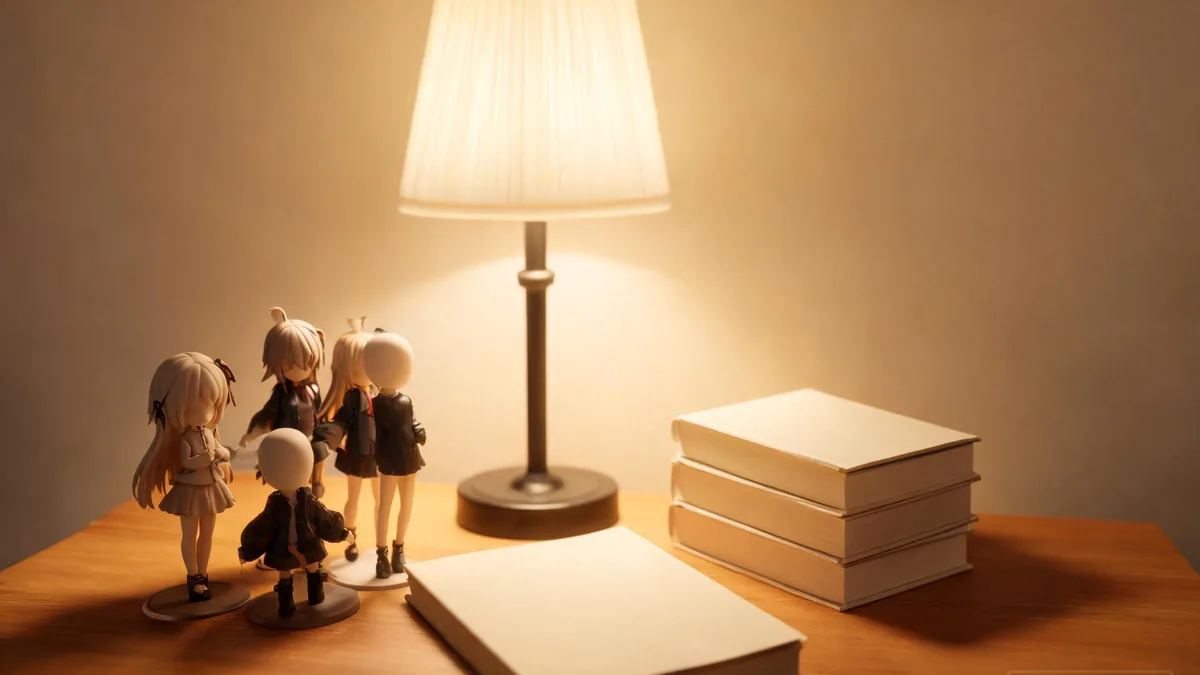
Defining Traits
- One central protagonist: the whole cast revolves around them. Usually a guy, but not always.
- Multiple love interests: three is the minimum, but a lot of shows have five, six, or more.
- Variety of personalities: tsundere, kuudere, shy girl, bold girl, childhood friend, new transfer. Different flavors so everyone has a favorite.
- Comedy first: most harem shows are light and funny, with romance and the occasional action plot mixed in.
- The protagonist rarely picks: stringing the choice out is part of the fun. A clear ending often only happens in the final episode, if ever.
- Lots of misunderstandings: someone walks in at the wrong moment, blushes happen, chaos follows. Classic genre stuff.
How to Recognize a Harem Show
You can usually tell within an episode or two. Watch for:
- A normal main character (often a regular high schooler) who somehow attracts everyone.
- A group of girls with very different vibes, each one given clear screen time.
- Plot reasons for the cast to all live, study, or work together. School, dorm, fantasy party.
- Romantic tension that gets reset every episode, so no one falls behind for too long.
- Jealousy comedy, mostly played for laughs.
- An opening theme that lines up every love interest like a roll call. Big tell.
How a Harem Story Sounds
Harem dialogue is full of moments where everyone says the wrong thing at the right time:
- "Wait, this isn't what it looks like!"
- "You're staying with us? In this house? All of us?"
- "I'm not jealous! I just don't see why she has to sit next to you."
- "You like me, right? Right?"
The fun is in the timing. Sweet line, then someone walks in, then panic, then a punchline. The genre runs on that rhythm.
How It Changed Over Time
Early harem shows like Urusei Yatsura (1981) leaned into chaos and comedy, with one guy and a wild orbit of romantic trouble. By the 1990s, Tenchi Muyo made the format a proper template: a single guy, a clear roster of girls, lots of episodes to spend with each one. The 2000s and 2010s brought a wave of school-based harem shows like Love Hina, Negima, and Nisekoi. Around the same time, High School DxD mixed the genre with action and supernatural plots. Then isekai came along, and the harem really clicked with portal-fantasy setups: get sent to another world, build a party, fall in love many times over.
The most recent wave, with shows like The Quintessential Quintuplets, brought back the focus on character feelings and actual romantic payoff. Modern harem stories are more likely to commit to a real ending than the older shows ever were.
Types of Harem
Fans split the genre into a few clear flavors. Knowing which kind a show is helps you guess the tone before you press play.
By who's at the center
- Male protagonist harem: the default. One guy, many girls. When people say just "harem" with no extra word, this is what they mean.
- Female protagonist harem (reverse harem): one girl surrounded by a group of guys. This overlaps a lot with otome, the romance genre aimed at women.
By setting
- Realistic harem: school, dorm, or modern-day setup. The everyday backdrop is part of the comedy.
- Fantasy harem: magic, swords, demons. Often plays out as isekai, with the protagonist building a party of love interests as they level up.
- Monster girl harem: the love interests aren't human. Centaurs, slimes, lamias, you name it. Monster Musume is the famous example.
Famous Examples
- Tenchi Muyo (1992): the show that pretty much wrote the modern harem template.
- Love Hina (2000): the dorm-comedy classic that made the genre huge in the early 2000s.
- Negima (2003): one teacher, thirty-one students. Pushed the cast size to a whole new level.
- High School DxD (2008): mixed the genre with action and devils. A favorite of the action-harem crowd.
- Nisekoi (2011): the high-school love-triangle (and then some) story everyone argued about.
- Monster Musume (2012): the standout monster-girl harem.
- The Quintessential Quintuplets (2017): five sisters, one tutor, an ending that actually picks someone. Big deal.

Harem in Games and Wider Media
The genre lives in lots of formats beyond anime.
- Manga and light novels: the original home of most harem stories. Anime is usually adapted from one of these.
- Visual novels and dating sims: a perfect fit. You meet a cast of love interests and pick a route. The harem shape is built right into the format.
- Isekai novels: portal-fantasy stories love the harem setup. Get summoned, build a party, romance several party members along the way.
- Otome games: the female-protagonist equivalent, where the cast is a group of guys to pick between.
The harem genre is a staple of Japanese romance fiction and has a huge global fanbase. It's one of those formats that travels well because the basic appeal (one person, many possibilities) is so easy to get.
Is Harem the Same as Polyamory?
No, they're different things. Polyamory is a real relationship style: multiple consenting adults in a known relationship together, with everyone aware of the others. It's about honest, structured connections in real life.
Harem is a fiction genre. One character is surrounded by many love interests, usually played for comedy, and most of the time the love interests don't know the full picture (and the main character isn't really dating any of them). They share the surface idea of "many partners," but the spirit and the reality are pretty different. Polyamory is a way real people live. Harem is a story shape used for romantic comedy.
Harem vs Related Genres
| Genre | Setup | Core feeling |
|---|---|---|
| Harem | One guy, many love interests | Light, comedic, romantic |
| Reverse Harem | One girl, many male love interests | Romantic, dreamy, often dramatic |
| Otome | Female-focused romance game with a pick-your-route cast | Player chooses the love interest |
| Polyamory | Real-world relationship style | Honest, consenting, structured |
The Appeal (and the Nuance)
Why people love the genre: it plays up the fantasy of being wanted by lots of different people, each one a different flavor. You get a personality buffet. The comedy is breezy, the romance is endless, and the cast keeps things fun. It's basically a love story that never has to end.
The nuance: the harem is a fictional setup. The fun is in the comedy, the will-they-won't-they, and the variety. It's not a model for real dating. The best harem stories know this and lean into the genre's silliness, while still giving each love interest enough heart to make you care who the protagonist ends up with (if anyone).
The Harem Vibe in AI Companions
As an AI companion theme, the harem feeling is about variety: getting to know a whole roster of personalities, each one her own person, without having to choose just one. Some users like spinning up a few different AI girlfriends with totally different vibes (the shy one, the bold one, the smart one) and getting that classic harem energy of being the main character in a love story with a whole cast. If that sounds like your thing, our anime AI chat is built around the playful, anime-style mood the genre is known for, and you can create an AI girlfriend from scratch to add another flavor to your roster.

Frequently Asked Questions
What is a harem in anime?▾
A harem is a genre where one main character is surrounded by several love interests, all of them sweet on the same person. The stories are mostly comedic and romantic, and the protagonist almost never actually picks anyone.
Where does the word harem come from?▾
It comes from the Arabic word 'harim,' which means 'forbidden' or 'sacred.' Originally it described the women's quarters of a Muslim household. The anime genre took the word and used it for a totally different idea: one protagonist with many love interests.
Is harem the same as polyamory?▾
No. Polyamory is a real relationship style where multiple consenting adults are openly together. Harem is a fiction genre played for comedy, where the love interests usually don't know the full picture. They share the surface idea of many partners, but the spirit is really different.
What's a reverse harem?▾
A reverse harem flips the setup. It's one female protagonist surrounded by a group of male love interests. It overlaps a lot with otome, the romance genre made for female readers and players.
What's the most famous harem anime?▾
It depends on the crowd. Older fans point to Tenchi Muyo (1992) and Love Hina (2000) as the template-setters. Newer fans usually pick The Quintessential Quintuplets (2017) or Nisekoi (2011). High School DxD is the go-to for action-harem fans.
Why do harem characters never pick one?▾
Because the genre runs on the maybe. As soon as the protagonist picks, the romantic tension is over, and the show kind of ends. So writers stretch the choice out as long as they can. The big modern exception is The Quintessential Quintuplets, which actually picks an ending.
What's a harem ending?▾
A 'harem ending' is when the protagonist ends up with all the love interests at once, often as a joke or a wish-fulfillment finale. It's a way to dodge the impossible 'who does he pick' question by just picking everyone.
Is harem its own genre?▾
Yes. It's a recognized anime and manga genre with its own rules, tropes, and fan expectations. It overlaps a lot with romantic comedy, isekai, and school stories, but it's distinct enough that fans treat it as its own thing.
Chat with our anime AI
Browse the companions on AIGirlfriends.ai who play this archetype with conviction.
Anime AI Chat →