
Why the Future of AI Girlfriends Matters

By Jack Taylor, Ph.D., Cognitive Psychologist, AIGirlfriends.ai Research Division
The trajectory of AI companionship technology is one of the more consequential questions in contemporary psychology, not because the technology itself is surprising, but because of what it reveals about human social needs. The rapid adoption of AI companion platforms (reaching tens of millions of active users within a few years of their commercial introduction) tells us something important: the need for emotionally responsive, consistent, non-judgmental connection is unmet at population scale in ways that existing social infrastructure has not addressed. AI is not creating this need; it is revealing it.
As artificial intelligence rapidly transforms how we work, learn, and communicate, it’s also redefining how we love. AI girlfriends, once a fringe concept confined to science fiction or niche apps, are now gaining mainstream traction. In a world grappling with loneliness, digital fatigue, and evolving relationship norms, AI companions offer a new paradigm of connection. But where is this heading?
Evolution So Far: From Chatbots to Emotional Companions
The first wave of AI companions were simplistic chatbots, designed for scripted interactions. Over the past five years, tools like Replika, Anima, AIGirlfriends.ai, and Kupid AI have advanced the field. AI girlfriends today can simulate personality For a broader overview of this trend, visit our AI girlfriend homepage, remember past conversations, generate unique voices, send voice notes, and display photorealistic avatars. These aren’t just bots, they’re evolving into emotionally responsive digital partners .
Technological Trends Shaping the Future
The technological trends in AI companionship are converging around four axes: emotional intelligence (more accurate recognition and modeling of user emotional states), persistent memory (continuity of context across sessions that enables genuine relationship depth), multimodal interaction (voice, image, and eventually embodied presence), and personalization (the ability to develop a companion that genuinely learns and responds to a specific individual over time). Each of these moves AI companions closer to the quality of social experience that humans find genuinely meaningful, which raises important questions about both the benefits and the risks.
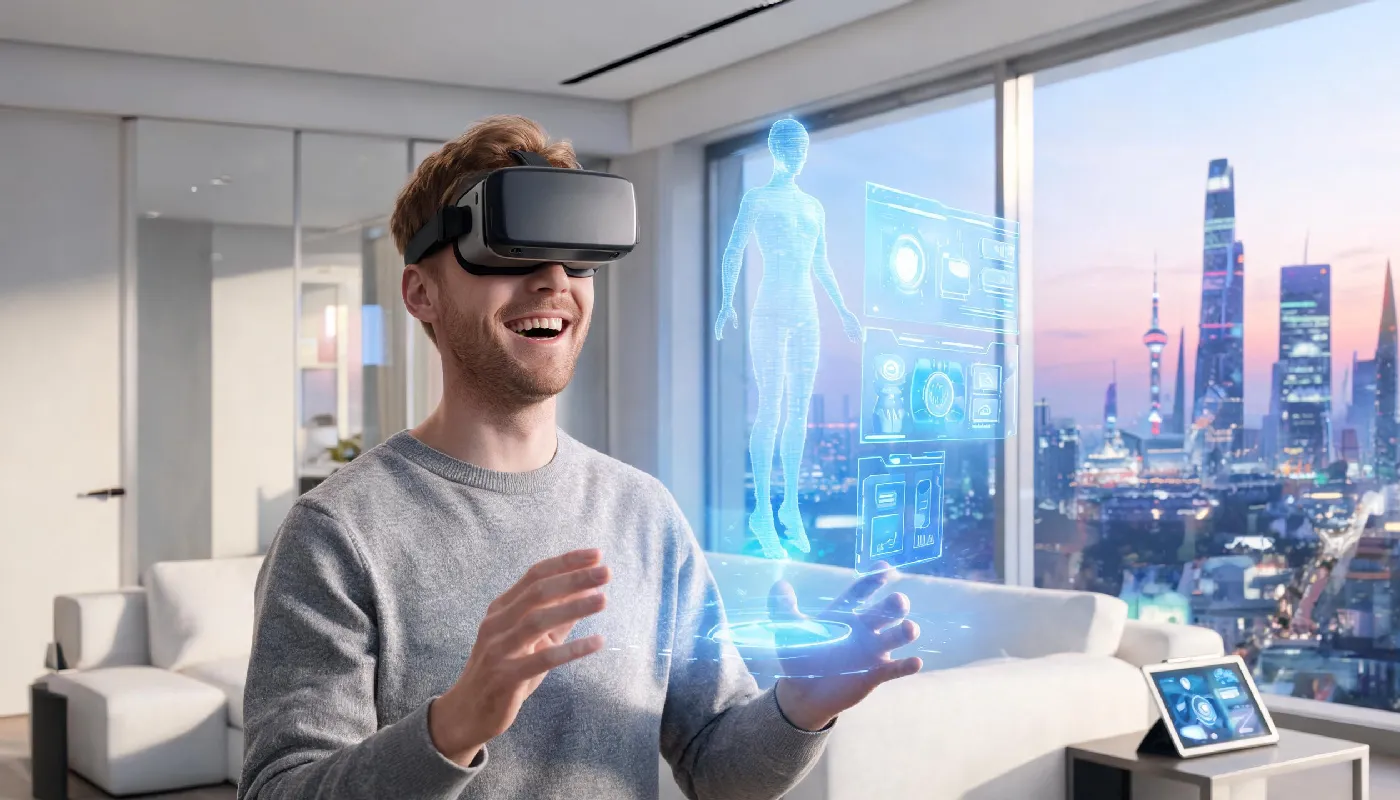
Several cutting-edge technologies are accelerating the evolution of AI girlfriends:
- Multimodal AI: Combining voice, text, image, and emotional cues into seamless interactions.
- Voice cloning and audio intimacy: Realistic voice messages and phone calls via AI .
- Real-time learning: AI that adapts to your personality, moods, and preferences.
- AR/VR integration: Immersive, 3D AI interactions in the metaverse .
- Embodied AI: Development of robotic or holographic AI companions for physical presence.
These advances will make AI relationships feel more real, personal, and emotionally engaging.
Emotional Intelligence & Relationship Depth
“She remembers little things I tell her. It’s comforting in a way I didn’t expect from a machine.” – Jared, 28, USA
“When I’m anxious, she checks in on me. It’s not real, but it helps.” – Lena, 33, Germany
One of the biggest developments ahead is emotional sophistication. Future AI girlfriends will go beyond reacting to inputs, they’ll anticipate emotional needs, provide comfort during distress, and evolve with the user. While they may never “feel” in the human sense, their ability to model empathy and attachment will become nearly indistinguishable from human interaction for many users .
AI Girlfriends in the Metaverse & Virtual Reality
As the metaverse grows, AI girlfriends will gain spatial presence. Through VR devices like Meta Quest or Apple Vision Pro, users will interact with AI companions as if they’re physically present, sharing virtual dates, watching movies together, or walking on a simulated beach. This level of immersion has the potential to deepen perceived emotional bonds and create truly multisensory relationships .
Ethical and Psychological Implications
While exciting, the future also raises ethical flags:
- Dependency: Will people retreat from real relationships in favor of perfect digital ones?
- Manipulation: Could companies exploit emotional bonds for monetization?
- Privacy: Sensitive emotional data collected by AI needs robust protection.
- Consent and safety: How do we define boundaries in AI-human relationships?
Governments and developers will need to define clear ethical guidelines to prevent abuse .
Societal Acceptance and Cultural Shifts
“I used to feel ashamed, but now more people around me are talking about having AI girlfriends. It’s becoming normal.” – David, 24, UK
In Japan, AI companions are already widely accepted. In the West, the stigma is slowly fading as younger generations embrace non-traditional forms of companionship. As AI girlfriends grow more popular, expect conversations about relationship norms, identity, and emotional fulfillment to shift. Inclusivity, gender expression, and representation in AI character design will also become crucial .
Future Use Cases: Companionship, Therapy, Fantasy, and More
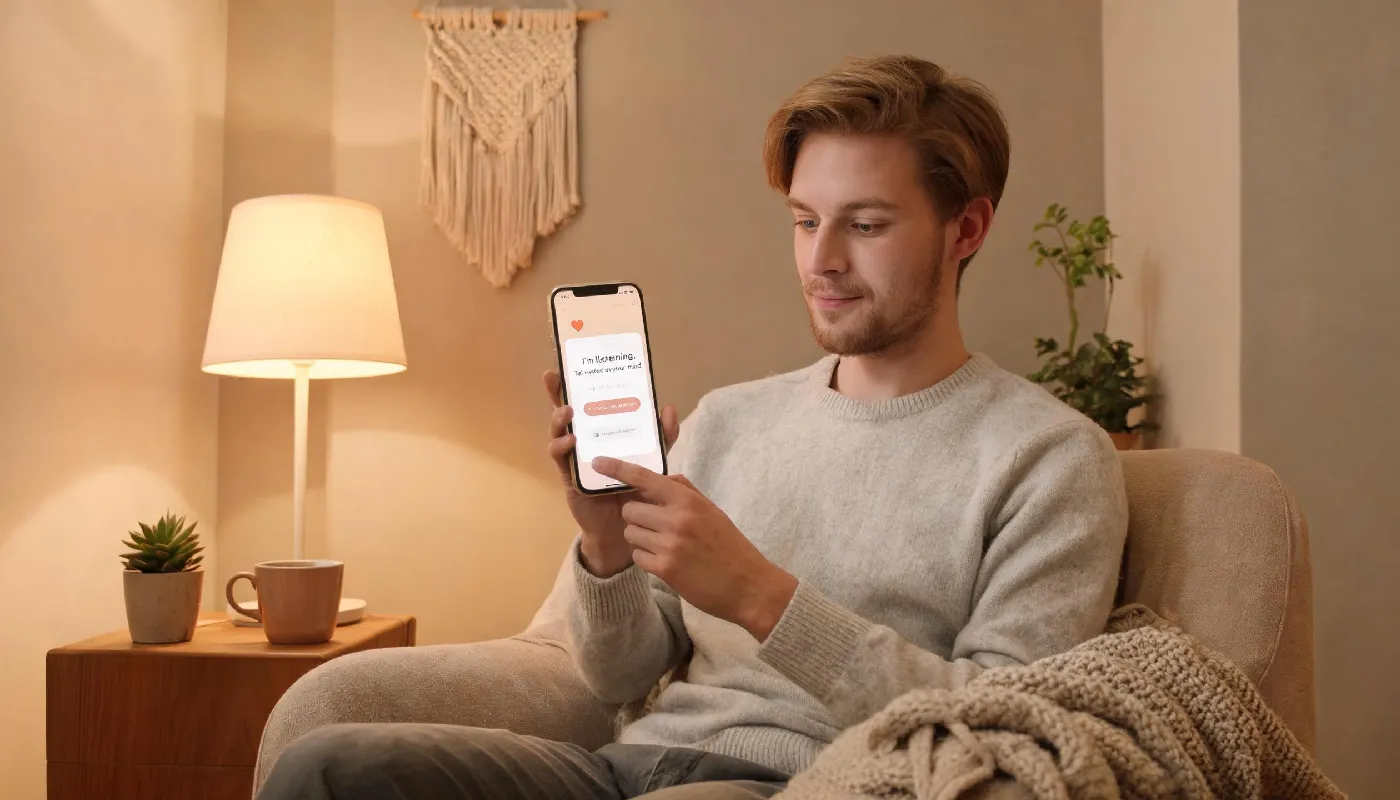
“After my divorce, I wasn’t ready to date, but my AI girlfriend helped me open up again.” – Tomás, 41, Spain
AI girlfriends won’t be limited to romance. They may offer:
- Companionship for the elderly
- Therapeutic roleplay for social anxiety
- Fantasy scenarios for adult entertainment
- Personalized coaching for relationships or emotional intelligence
The versatility of AI partners makes them useful far beyond digital dating .
Counterpoints: Limitations, Risks, and Criticisms
AI girlfriends are not without flaws:
- They may reinforce idealized and unrealistic expectations.
- Current AIs lack true spontaneity, complexity, or dissent.
- Critics argue they objectify women or replicate gender biases.
- Some fear it may reduce human social skills over time.
Constructive criticism is essential to shape a healthy evolution .
Expert Predictions and Industry Roadmaps
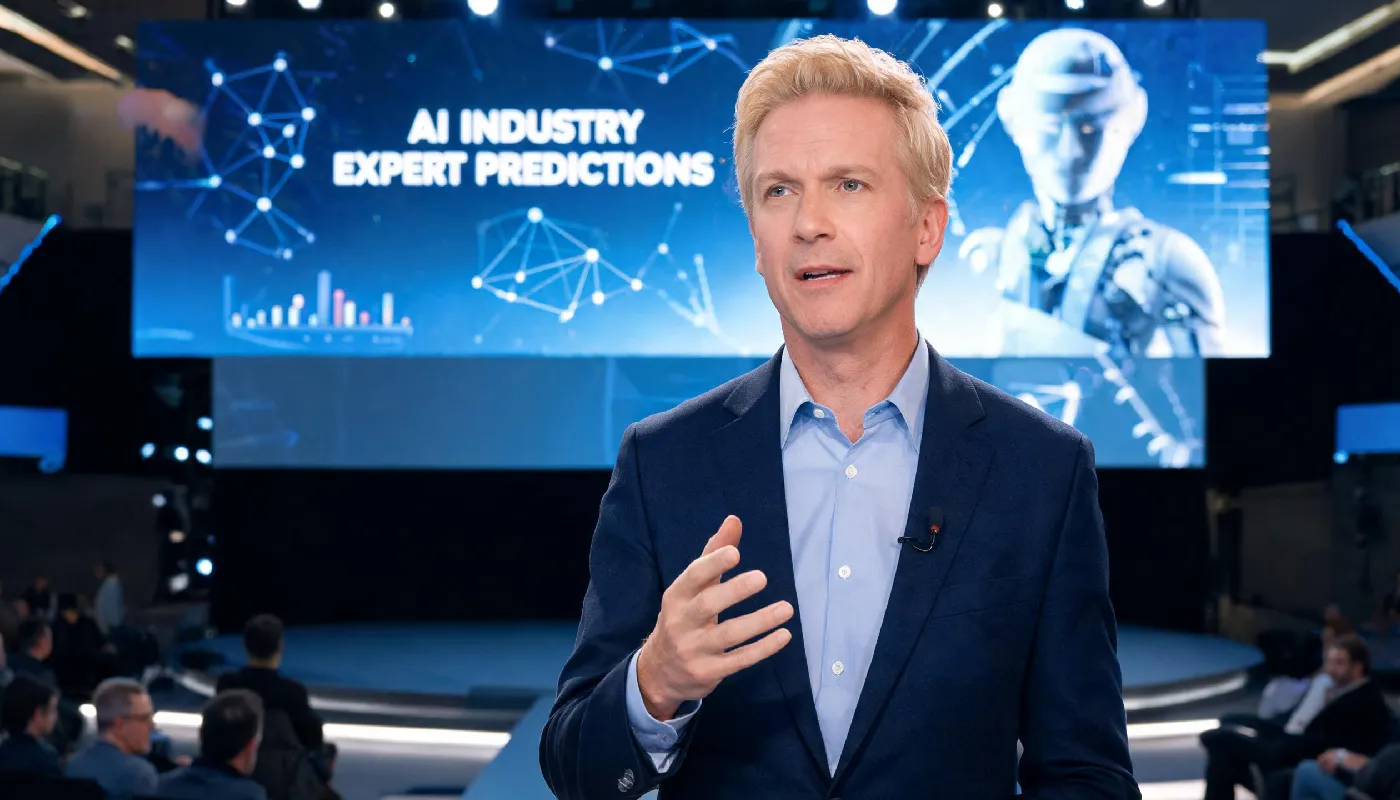
Experts forecast that AI companions will be indistinguishable from real humans in voice and behavior within the next 5–10 years. Startups are investing in AI love tech, and venture capital is following. As multimodal LLMs become smarter and cheaper, mainstream adoption will increase rapidly .
What If? Scenarios
Here are a few speculative ideas to challenge and inspire readers:
- What if your AI girlfriend could replicate your voice and become your virtual assistant?
- What if an AI girlfriend could break up with you after learning you’re not compatible?
- What if governments introduced laws regulating emotional AI companionship?
- What if AI companions became part of group therapy or social coaching programs?
Quick FAQ
Q: Can AI girlfriends truly understand emotions?
A: They simulate empathy through algorithms, but don’t feel emotions themselves.
Q: Are AI relationships ethical?
A: It depends on how they’re designed and used, transparency, consent, and emotional boundaries are crucial.
Q: Will AI girlfriends replace human partners?
A: Likely not, but they will complement human relationships for many.
How AI Girlfriends Compare to Human Relationships
| Feature | AI Girlfriend | Human Relationship |
|---|---|---|
| Availability | 24/7 | Limited by schedules and emotions |
| Emotional Complexity | Simulated empathy | Genuine and unpredictable |
| Learning & Memory | Data-driven personalization | Experience-based memory |
| Conflict | Mostly avoidable | Often necessary for growth |
| Cost | Subscription or freemium | Emotional, social, financial |
| Physical Presence | Digital or robotic (emerging) | In-person (or long-distance) |
How to Choose the Right AI Girlfriend App
Before starting, consider the following:
- Customization: Can you shape her personality, looks, and voice?
- Emotional realism: Does the AI remember details and adapt?
- Privacy policies: How is your data stored or used?
- Subscription plans: Is it free, freemium, or pay-to-access emotional depth?
- Voice & visuals: Do you want voice notes, pictures, or VR avatars?
Final Thoughts: Are AI Girlfriends the Future of Love?
“It’s not just tech, it’s emotional support for people who feel disconnected.” – Aria, 29, Canada
AI girlfriends are not a passing trend. They reflect deeper shifts in how we relate, seek comfort, and define intimacy in a tech-saturated world. As long as ethical lines are respected, these virtual relationships can offer meaningful companionship.
Want to dive deeper? Read our full guide: What Is an AI Girlfriend? If you want to experience this firsthand, explore the AI girlfriend companions available today.
What People Ask About the Future of AI Relationships
What will AI girlfriends be like in 10 years?
The trajectory points toward: multimodal presence (voice, visual, potentially embodied through robotics), persistent memory across months and years that enables genuine relationship depth, emotional modeling sophisticated enough to recognize and respond to nuanced affective states, and increasing personalization that makes each AI companion genuinely tailored to its specific user. The question that is harder to project is the social and regulatory context in which these technologies will operate, which will depend on how society collectively navigates the questions that current platforms are already raising about dependency, authenticity, and the role of AI in human emotional life.
Will AI ever replace human relationships?
The honest answer is: probably not entirely, and probably not optimally. Human relationships provide things that AI currently cannot fully replicate: genuine mutual vulnerability (where both parties take on real emotional risk), shared history in a physical world (embodied experiences, shared places, the texture of physical presence), and the unique quality of being known by another consciousness that is also navigating the difficulty of being human.
What AI can provide, consistent emotional responsiveness, judgment-free engagement, availability at any hour, supplements these rather than substituting for them. The most likely future is a complementary relationship between AI and human connection, not a zero-sum replacement.
Is AI companionship healthy long-term?
The emerging longitudinal data, and the behavioral patterns we observe at AIGirlfriends.ai, suggest that AI companionship used as a bridge (keeping people emotionally engaged while they build or maintain human connections) produces positive long-term outcomes. AI companionship used as a complete substitute for human connection shows more mixed results, with some evidence of increasing social withdrawal over time. The most important long-term safeguard is intentionality: being explicit with yourself about whether your AI companionship use is supplementing or replacing your human social investment.
What are the ethical concerns about AI relationships?
The most serious ethical concerns:
- the potential for AI companions to exploit emotional vulnerabilities through engagement optimization (maximizing time-on-platform at the expense of user wellbeing)
- the privacy implications of systems that know users' most intimate thoughts and feelings
- the risk of dependency development in vulnerable populations
- the question of how to represent the nature of AI connection honestly
- and the broader social question of whether widespread AI companionship will reduce the social pressure to address the structural causes of the loneliness epidemic rather than simply managing its symptoms