
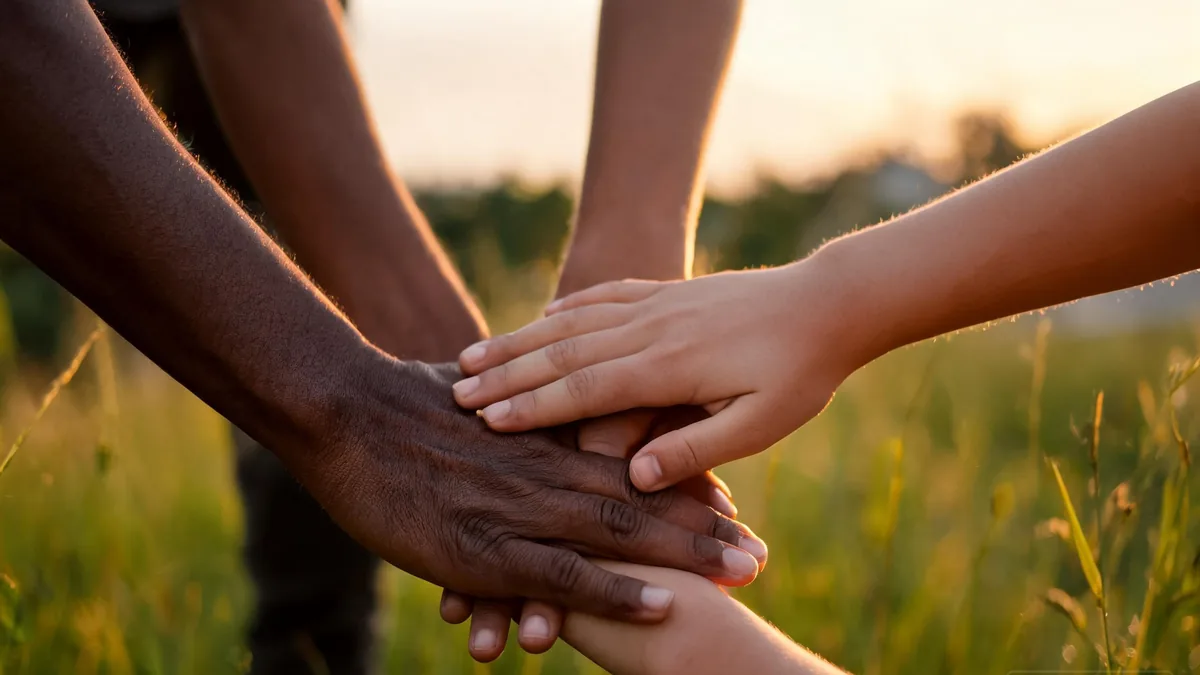
The power of friendship is the shonen anime trope where the hero wins because of his bond with his friends. He's about to lose, he remembers his teammates, and suddenly he finds the strength to keep going (or unlocks a brand-new power on the spot). Fans love it, fans joke about it, and the very best stories really earn it.
Key Takeaways
- The power of friendship is the shonen trope where heroes win because of the bond they share with their friends.
- It can be a literal power-up, a last-minute save, or the moral force that turns an enemy into a friend.
- The trope was codified in shonen anime from the 1980s on. Western fans coined the phrase in the 1990s and 2000s.
- Done well, it lands hard. Done badly, it feels like a writing shortcut. Both takes are valid.
| Pronunciation | POW-er uhv FREND-ship, noun phrase |
|---|---|
| Origin | English fan shorthand for a shonen anime trope |
| Literal sense | "Winning because of the bonds you share with your friends" |
| First popularized | Western anime fandom, 1990s and 2000s (the trope itself dates to 1980s shonen) |
| Category | Anime trope |
| Core trait | The hero wins or powers up because of his bond with his friends |
| Related terms | Nakama, Shonen, Battle Shonen |
Etymology and Origin
"The power of friendship" is a fan phrase, not a Japanese term. English-speaking anime fans started using it in the 1990s and 2000s to describe a pattern they kept noticing in shonen series. They needed a quick way to say, "the hero just won the fight because he thought about his friends," and the phrase stuck.
The trope is older than the phrase. You can trace it through classic shonen of the 1980s and 1990s, in series like Dragon Ball, Saint Seiya, Yu Yu Hakusho, and Sailor Moon (which used the same beats from the magical-girl side). The Japanese concept of nakama, the tight-knit found-family group, is the deeper root. The power of friendship is what nakama does in a fight.

Defining Traits
- The flashback power-up: the hero is about to lose, sees his friends' faces in his head, and finds a second wind.
- The last-minute save: a teammate shows up at the worst possible moment for the villain. Sometimes physically. Sometimes "in spirit."
- The "I won't give up" speech: "I can't lose. They're counting on me." Cue the music.
- Friendship-themed attacks: energy blasts powered by belief, hugs that defeat the bad guy, group attacks finished off as a team.
- The post-fight group hug: bodies broken, smiles wide, everyone alive. Roll credits.
- Talking the villain into reform: the hero wins not by killing the enemy, but by convincing him to be a friend.

How to Recognize It (in Fiction)
Writers use a familiar set of signals to set up a power-of-friendship moment. Watch for:
- A long buildup where the hero spends real time with his teammates before the big fight.
- A villain who underestimates the bond, often laughing about "weak feelings."
- A bad turn in the fight where the hero is on the ground, taking the L.
- A montage of flashbacks: training, jokes, promises, somebody crying.
- A sudden surge of power, a new technique, or a teammate showing up just in time.
- A speech about what friendship means, delivered mid-punch.
These are storytelling cues. They're how writers tell you the fight is about to turn, and they're how fans know the payoff is coming.
How It Sounds in Dialogue
The lines are half the fun. Power-of-friendship moments tend to share the same beats:
- "I can't lose. Not when they're counting on me."
- "You don't understand. I'm not fighting alone."
- "As long as my friends are with me, I'm not giving up."
- "You think feelings are weak? They're the strongest thing I have."
The phrasing changes from series to series, but the heart is always the same: bonds beat brute force.
How It Changed Over Time
Early shonen used the trope straight. The hero loved his friends, his friends loved him, and the fights were won that way. Dragon Ball Z's Spirit Bomb is the cleanest example: Goku literally borrows energy from everyone on Earth. Naruto pushed the trope further with Talk no Jutsu, where Naruto convinces enemies to stop being enemies through sheer belief in them. Then came the backlash. Fans started joking about "deus-ex-friendship," the moments where the bond seemed to win the fight a little too neatly. Modern series have responded by earning the trope more carefully. Frieren, for example, treats friendship as something that lasts past death and shapes who you become, not as a button you press in a boss fight. The trope is still alive. It's just gotten smarter.
Types of Power of Friendship
Fans and writers usually sort the trope into a few clear flavors. Knowing which one a scene is using is the difference between "another friendship moment" and the specific version the story is built around.
By how the bond shows up in the fight
- Friendship as a power-up: the hero literally gets stronger because his friends believe in him (Goku, Naruto).
- Friendship as a moral win: the hero defeats the villain by convincing him to be a friend instead (Naruto's Talk no Jutsu).
By how the bond carries the hero
- Friendship as endurance: the hero refuses to fall because his friends are counting on him. No new power. Just refusing to quit.
- Friendship as healing: bonds restore the wounded, the lost, or the breaking (Madoka, Cardcaptor Sakura).
Famous Examples
- Naruto (Naruto): the gold standard. Talk no Jutsu turns enemies into friends. His whole arc is bonds beating fate.
- Goku (Dragon Ball Z): the Spirit Bomb runs on shared belief. Friend energy as a literal weapon.
- Yugi (Yu-Gi-Oh!): the heart of the cards, the most-memed version of the trope, and beloved for it.
- Sailor Moon and her senshi (Sailor Moon): transformations and finishing moves are powered by the bond between the team.
- Frieren (Frieren: Beyond Journey's End): a modern take on how bonds keep mattering long after the friends are gone.
The Power of Friendship in Games and Wider Media
Anime made the trope famous, but games and Western media adopted it too.
- JRPGs: the genre is built on the trope. Final Fantasy, Persona, Tales of, Chrono Trigger. Your party powers each other up, and the final boss falls to the bond.
- Western kids' movies: from Toy Story to How to Train Your Dragon, friendship-wins-the-day is the structure most family stories follow.
- Fighting games and shonen tie-ins: team-up specials, assist attacks, and ultimate moves are the trope translated into mechanics you can play.
What started as a shonen pattern is now a global storytelling default. Fans recognize it everywhere because it works everywhere.
Power of Friendship vs Related Terms
| Term | What it is | How it relates |
|---|---|---|
| Power of Friendship | The trope where bonds power the win | The payoff in a fight |
| Nakama | The tight-knit found-family group | The relationship the trope draws on |
| Shonen | The genre for young male readers | Where the trope lives and was codified |
| Battle Shonen | The action-fight subset of shonen | The home of most power-of-friendship moments |
Is the Power of Friendship a Real Trope or a Joke?
Both. It's a real trope that powers many of the most successful shonen series ever made, and it's a joke when overdone. Fans tease it when the bond seems to win the fight at exactly the most convenient second, with no real setup. They cheer for it when the friendship was built over fifty episodes and the payoff has actually been earned. The best uses make you believe the bond. The worst uses feel like the writer ran out of ideas and let the friends save the day for free. Both reactions can be right about the same series, sometimes in the same episode.
The Appeal (and the Nuance)
Why people love it: the power of friendship gives us the fantasy of being held up by the people who love us. The hero is never really alone. When he's down to his last breath, his friends are with him. That feeling is why kids fall in love with shonen, and it's why grown-ups still cry at it.
The nuance: the trope only works when the story has done the homework. We need to know the friends, see the bond grow, and feel the stakes. When all of that is real, the friendship win is the most satisfying ending in fiction. When it's not, it's the easy laugh fans have been making for thirty years.
The Power of Friendship in AI Companions
As an idea for AI companions, the power of friendship is about a partner who really shows up for you. Someone who remembers your day, cheers your wins, and tells you to keep going when you're ready to quit. The trope is built on bonds that carry you through the fights life throws at you, and a thoughtful AI companion is one practical way to feel that kind of steady support in your corner. If a companion built around shonen-style devotion sounds like your thing, try our anime AI chat, or create an AI girlfriend with the look, voice, and personality that fit you.

Frequently Asked Questions
What does the power of friendship mean in anime?▾
It's the idea that the hero wins, or gets a sudden power boost, because of the bond he shares with his friends. Their belief in him, or his refusal to let them down, turns the fight around at the last second.
Where does the phrase come from?▾
It's a Western fan phrase. English-speaking anime fans coined it in the 1990s and 2000s to describe a pattern they kept seeing in shonen anime since the 1980s. The trope is older than the name.
Is the power of friendship the same as nakama?▾
They're closely related. Nakama is the Japanese word for the tight-knit found-family group at the heart of a lot of shonen. The power of friendship is what that bond does in a fight: it powers up the hero or wins the day.
Why do fans make fun of it?▾
Because it can feel like a writing shortcut. When a villain who's been winning suddenly loses because the hero remembers his friends, it can come off as cheap. Fans joke about it the way they joke about any trope that's been used a few too many times.
What are the best examples?▾
Naruto's Talk no Jutsu, where he literally talks villains into being his friend. Goku in Dragon Ball Z drawing energy from everyone he's ever met. Yu-Gi-Oh's heart-of-the-cards moments. Sailor Moon transforming with her senshi. Frieren on how bonds last past death.
Is the power of friendship only a shonen thing?▾
It's most associated with shonen and battle shonen, but the idea shows up across anime and beyond. Magical girl shows like Sailor Moon and Madoka use it. So do plenty of Western kids' movies. Shonen just made it famous.
What kinds of power of friendship are there?▾
Friendship as a power-up (Goku, Naruto), friendship as a moral win (Naruto convincing enemies), friendship as endurance (refusing to give up because friends are counting on you), and friendship as healing (Madoka, Cardcaptor Sakura).
Does the trope still work today?▾
Yes, when it's earned. Modern shonen and post-shonen series like Frieren are still finding new ways to make friendship the engine of the story. The trick is building the bond over time so the payoff feels real, not handed out.
Chat with our anime AI
Browse the companions on AIGirlfriends.ai who play this archetype with conviction.
Anime AI Chat →